

It’s been a year and a half since I delved into the world of clowning. My practice is to clown in everyday life: in the grocery store, in airports, on trains, on city streets.
The main thing that I’ve learned through this practice is that a lot of life is how you show up. A clown chooses to show up with specific intentions, not on autopilot.
Prior to clowning, my wardrobe was drab by default. I had unconsciously chameleoned my color scheme because that’s what everyone else was wearing. Now, I realize that drab colors are a choice, and bright colors are also a choice.
The clown lens on life is: all of life is performance. The clown puts on bright clothing and shows up with an eye towards promoting play, joy, humor, and connection. The clown is not merely an agent of chaos, weird for the sake of weird. The clown is a clown because she chooses to value the above things more than conformity.
There’s a story Elizabeth Gilbert tells about how she was on a New York City bus and the driver told everyone that he would be willing to shake their hand and make their day a little bit easier. The faces of the people on the bus instantly relaxed and people took him up on his offer.
This bus driver showed up with an intention to create connection and compassion in his space. It didn’t matter that the weather was bad. It didn’t matter that he was at work. It didn’t matter that he might have been tired or that people were not in a good mood. He showed up in an intentional way.
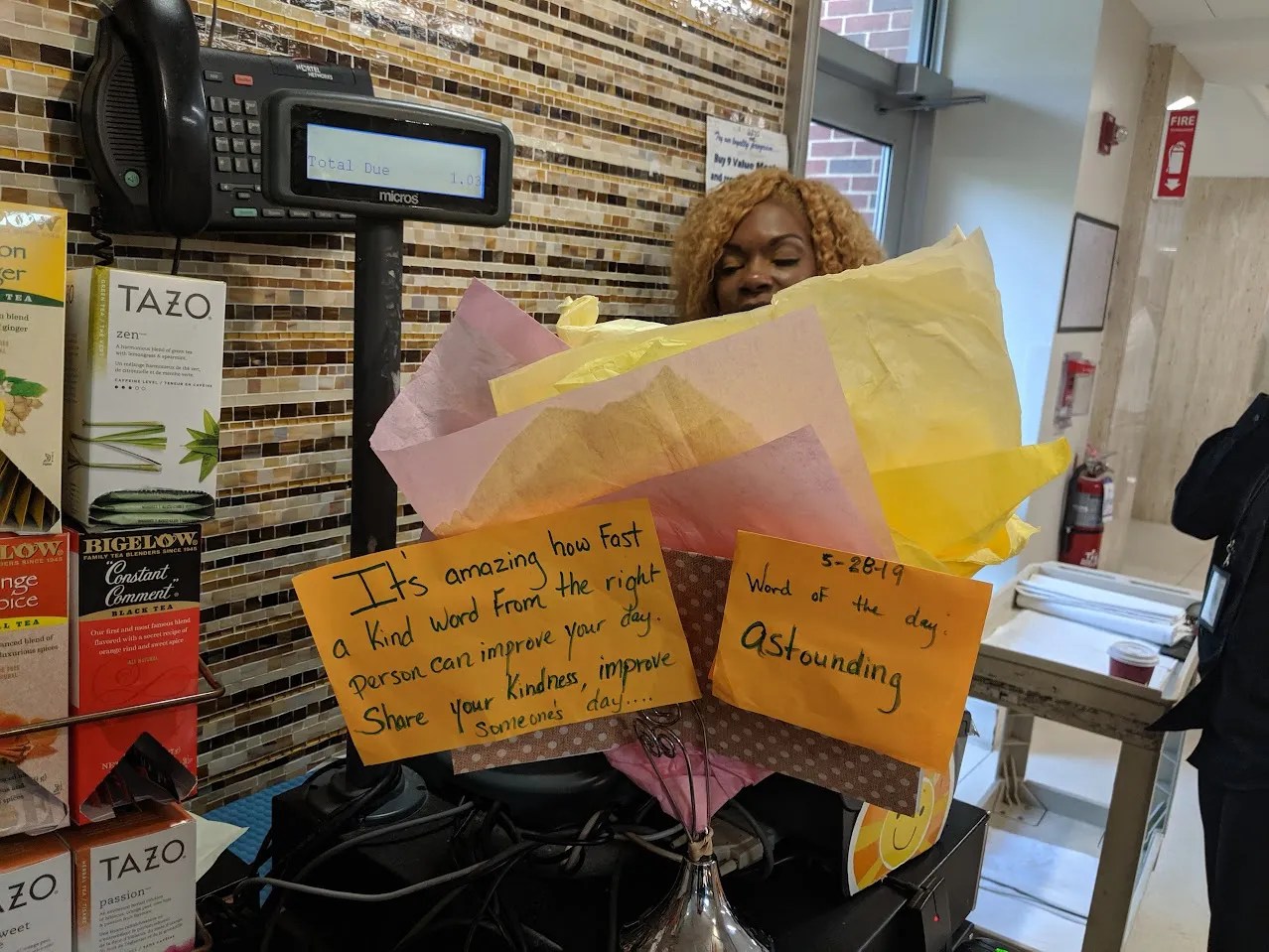
This is what a clown does. But you don’t have to be a clown, you don’t have to put on bright clothing and a red nose, to show up intentionally. I’ve discussed elsewhere how at the hospital where I used to work, there was a cashier who would play music and have inspirational quotes prominently displayed: every day spreading good vibes to her customers. From a broader perspective, this too can be seen as clowning.
Yet even without non-conformist actions, we can learn from the clown.
Do we see the good in another person and compliment them? Or do we see the flaws and berate them? When we go out to a restaurant, do we see the beautiful mural on the wall? Or do we see the problems with our meal?
I think a BOTH/AND perspective is the truest: we need both the happy and sad clowns in our psyches. We can’t just ignore the fact that we’re tired, or grieving, or just not feeling like connecting. That’s totally okay. Rest and grief are important. Yet it’s also important, I think, to skew positive. Because if we skew positive, we promote positive neural pathways in our minds and we become more positive. It’s an upward spiral.
My most recent clown-outing was taking an Amtrak. I had been with my family for a week and a half, and I was stressed because two family members had fallen ill. I was not feeling much like clowning, but I still put on my outfit. During that train trip, I connected with at least four people very positively, and gave away three “In this together” bumper stickers in my character, The Clown of Interbeing.

The lady above showed me photos of her dog, which she takes to play with neighborhood kids. She shared with me her spiritual practice. If I hadn’t been dressed as a clown, I would have just walked by her. Clowns attract other clowns. There are hidden clowns everywhere!
You might be one too, and just not know it yet.
And also: clowning may not be the tool for you.
I hope that by sharing my clowning journey, I inspire you, a little bit, to find your way of showing up with intention in daily life. Whatever tool will help you, find it, and use it.
A year-and-a-half after my clown trip, I clown less often than before. But when I feel the itch, I put on my clown clothes and nose, to remind myself to show up with joy, and to promote connection.
Clowning has taught me that no matter where I live, whether it’s Hawaii, Buffalo, or NYC, I can choose to be a tree. I can choose to provide shade, nourishment, and beauty for those around me.
That’s what clowning has taught me.
 danscreativeoulet