Brain and body, going for a nice long walk together

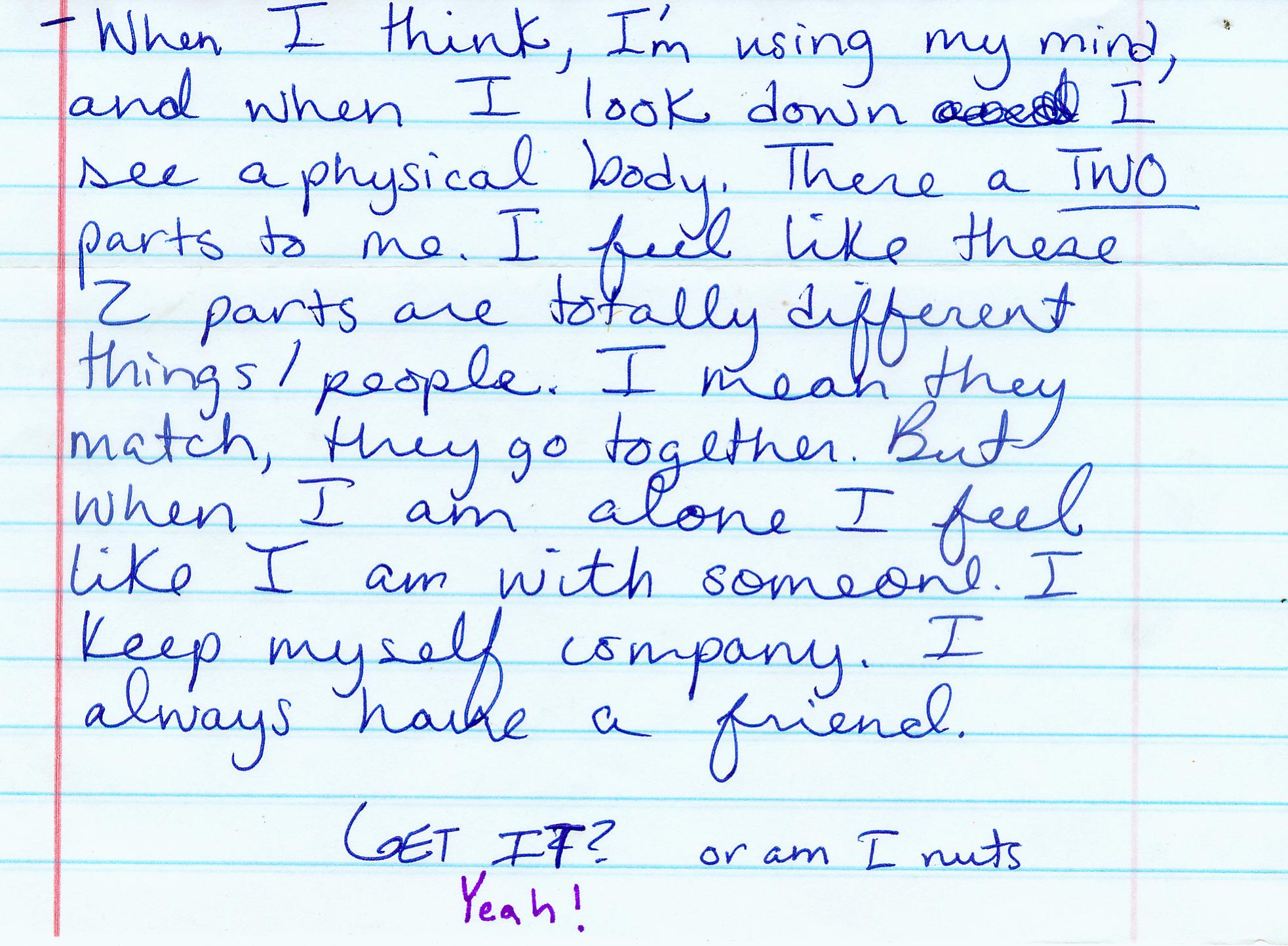
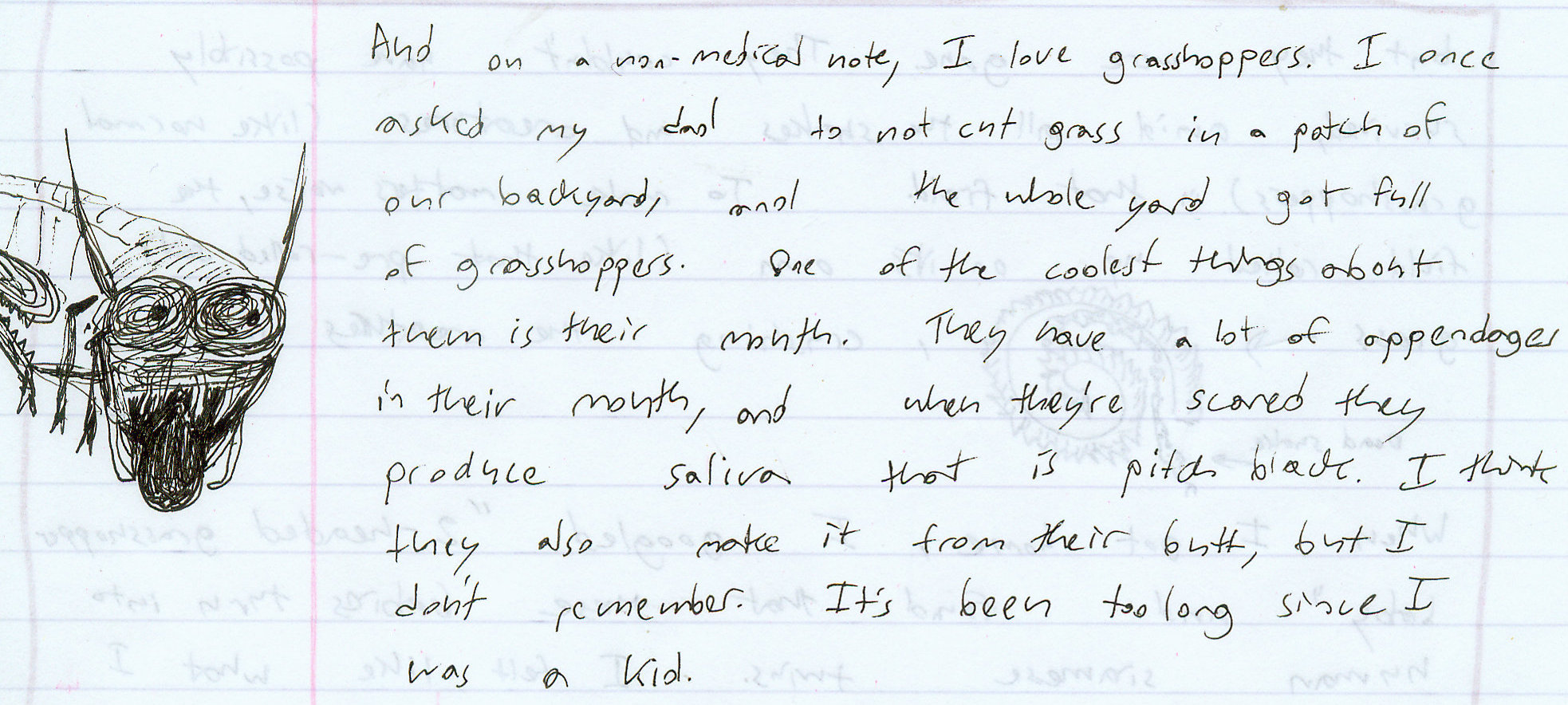
My friend wrote me this letter:

brain body letter

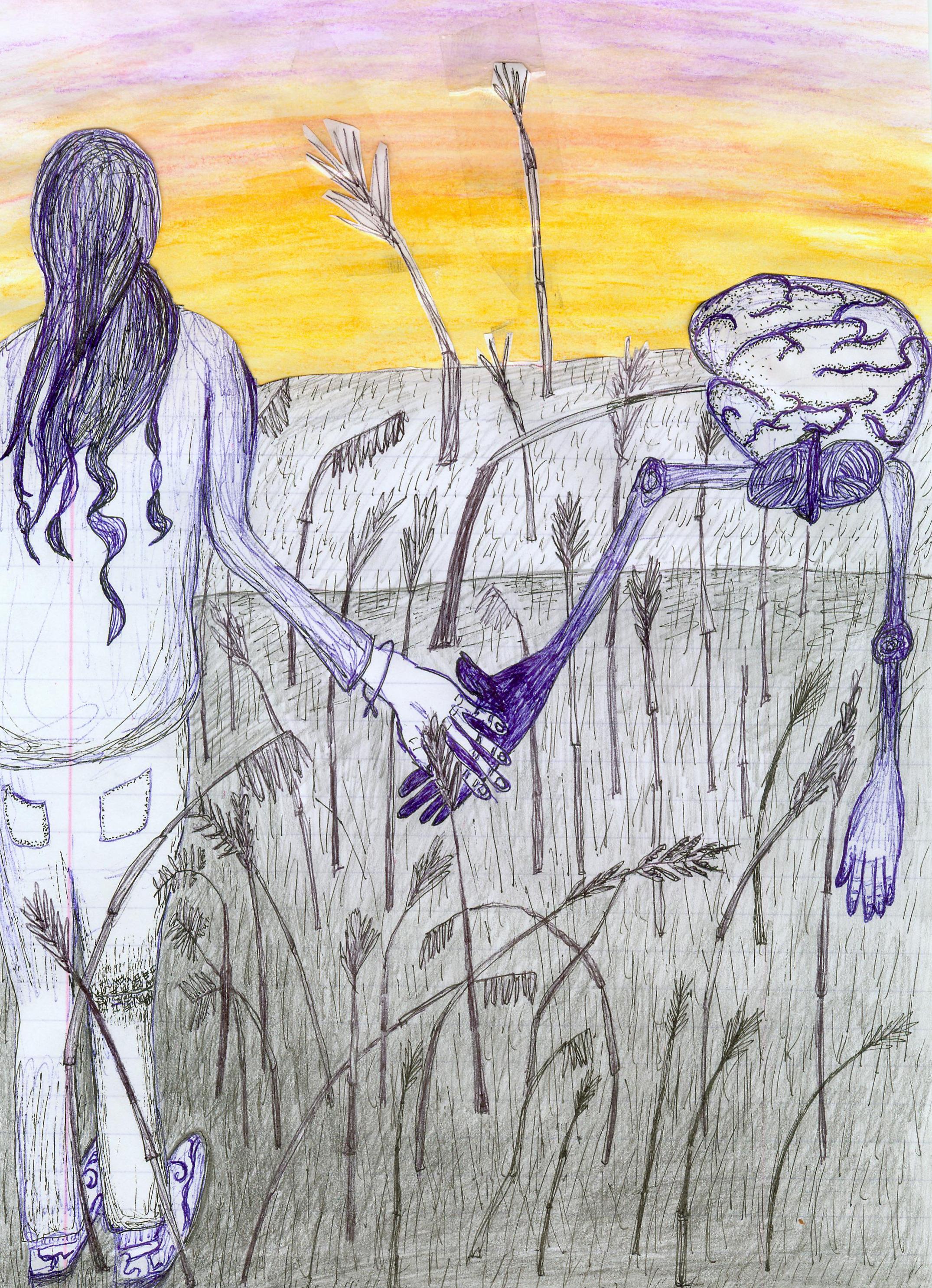
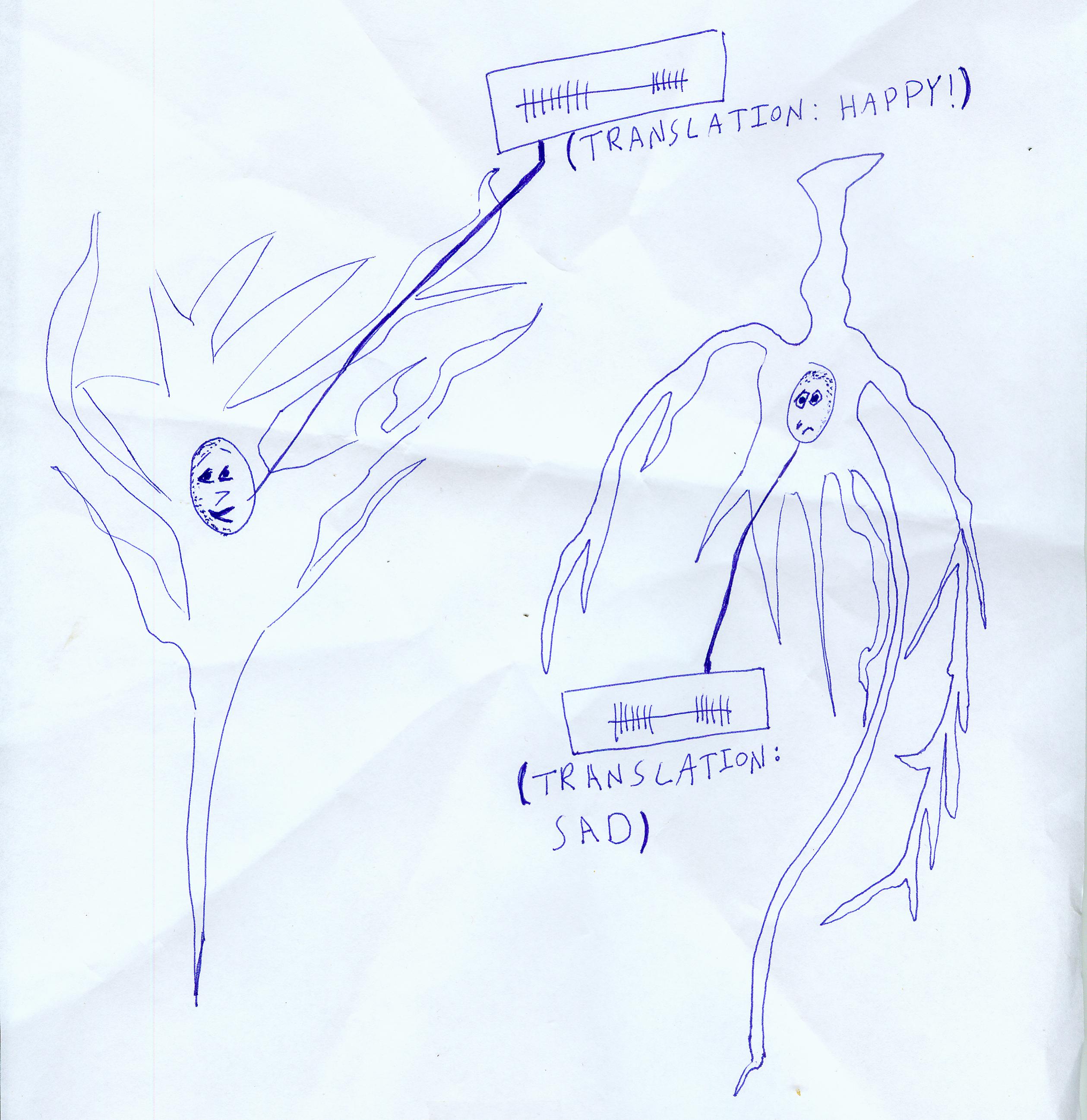
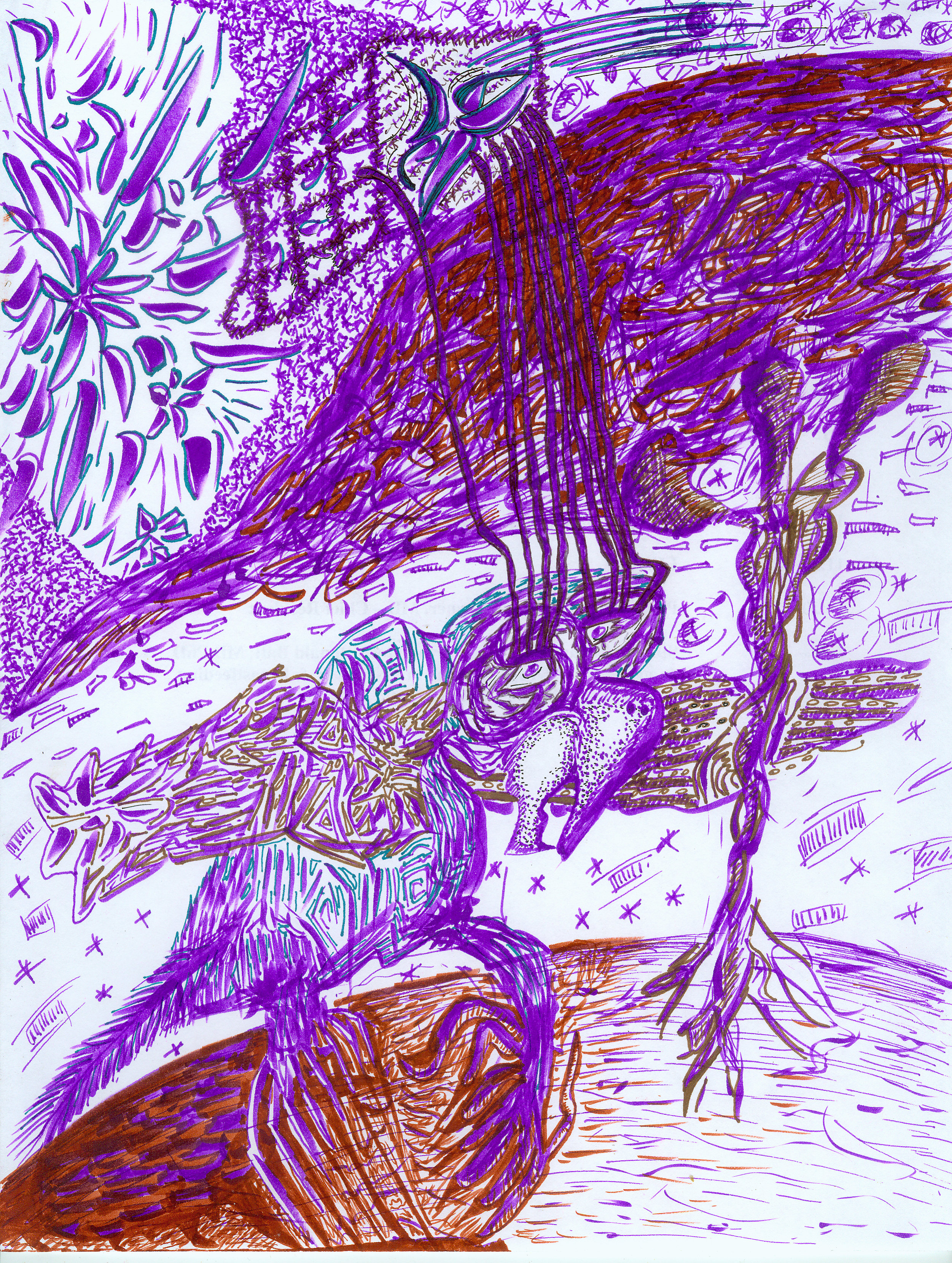
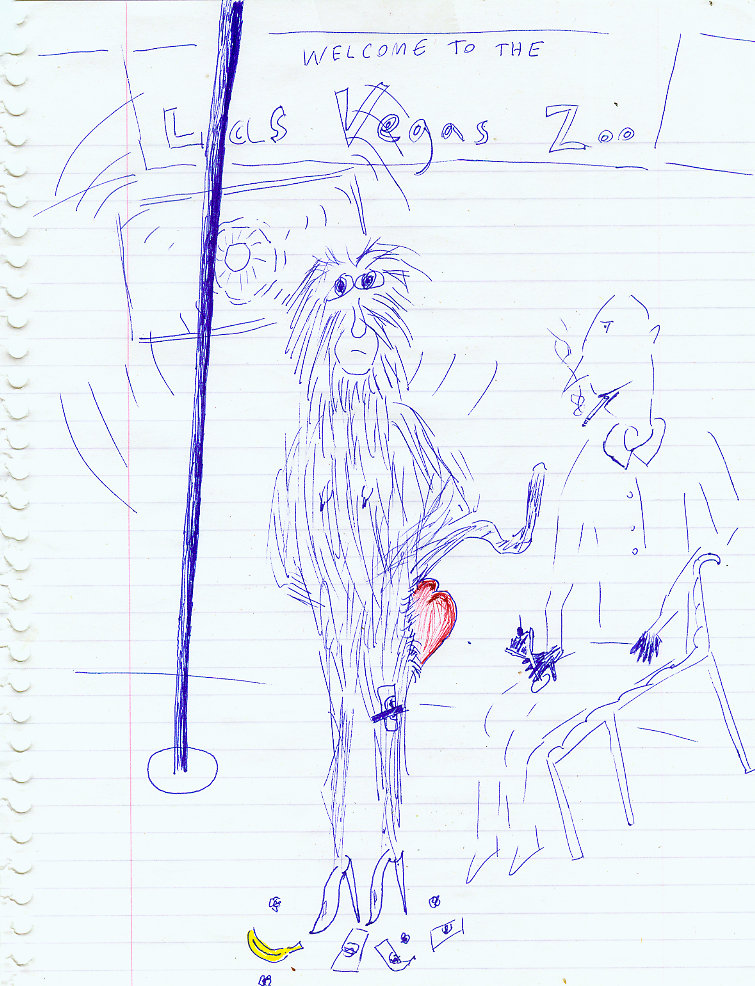
Then I drew this picture:

brain-body picture

I was thinking that one definition of the word “spirituality” could be: the ability to take a nice long walk with your brain, and be happy.

My med school professor said there are 4 levels of happiness:

1. Animal happiness (pleasurable things, food, sex, sleep)

2. Accomplishment (being good at something)

3. Relationships (getting good feedback from people)

4. Foundation happiness (This is the happiness that you don’t need the external world for, the happiness you can make in your brain. It can be prayer, meditation, love, thinking, anything, but it’s nice to figure out for oneself what this is and how to improve ones skill at synthesizing it).

A “spiritual” person is someone who can derive happiness just by taking a nice long walk with his brain. To him, the weather, his career, his relationships, his health etc. don’t matter as much (though they still matter a lot).

“It requires enormous intelligence to be alone; and you must be alone to find God, truth. It is nice to have a companion, a husband or a wife, and also to have babies; but you see, we get lost in all that, we get lost in the family, in the job, in the dull, monotonous routine of a decaying existence. We get used to it, and then the thought of living alone becomes dreadful, something to be afraid of. Most of us have put all our faith in one thing, all our eggs in one basket, and our lives have no richness apart from our companions, apart from our families and our jobs. But if there is a richness in one’s life – not the richness of money or knowledge, which anyone can acquire, but that richness which is the movement of reality with no beginning and no ending – then companionship becomes a secondary matter.

But, you see, you are not educated to be alone. Do you ever go out for a walk by yourself? It is very important to go out alone, to sit under a tree – not with a book, not with a companion, but by yourself – and observe the falling of a leaf, hear the lapping of the water, the fisherman’s song, watch the flight of a bird, and of your own thoughts as they chase each other across the space of your mind. If you are able to be alone and watch these things, then you will discover extraordinary riches which no government can tax, no human agency can corrupt, and which can never be destroyed.” – Jiddu Krishnamurti

“Master of the Universe / grant me the ability to be alone; / may it be my custom to go outdoors each day among the trees and grasses, / among all growing things, / and there to be alone, and enter into prayer, / to talk to the One to whom I belong.” —Rabbi Nachman of Bratslav

Rat race brain vs. Spaceship earth brain

Rat race brain vs spaceship earth brain

Just watched this video on “The Overview Effect” – which basically shows that we are all connected and our individual little rat races don’t matter and that we all need to work together to be excellent stewards of this rock we live on.

It brought back memories of a speech by David Foster Wallace, where he talked about standing in line in a grocery store, and how miserable and impatient he felt in his daily rat race.

It got me thinking that there are 2 basic states of the brain: a brain that is relaxed and ready to appreciate the world as an interconnected symbiotic thingy, and a brain that is stuck in a rat race of little goals. Since we are not all blessed to see the world spinning below us like the astronauts, we need to work to tap into the “Spaceship earth brain” as much as we can. A practical method of doing this is to take some time for yourself to appreciate it all.

“In Pensacola Florida, people have given up on the whole competitive thing, and just try to help each other out.” – Mike. I want to go there!

A relevant video.

New Years Resodoodles


new years resolutions

This one needs some explaining…

I just saw a TED talk about “Visual Goal Setting.” The method is simple – draw where you are in the present on one side of the page, and where you want to be in the future on the other side of the page. Just having these images down on paper is supposed to help your brain realize if you are on track or not. And, according to the talk, since your brain has an image of where it wants to go, it will take logical steps to get there.

Here’s the TED talk: 


Youthful Idealism

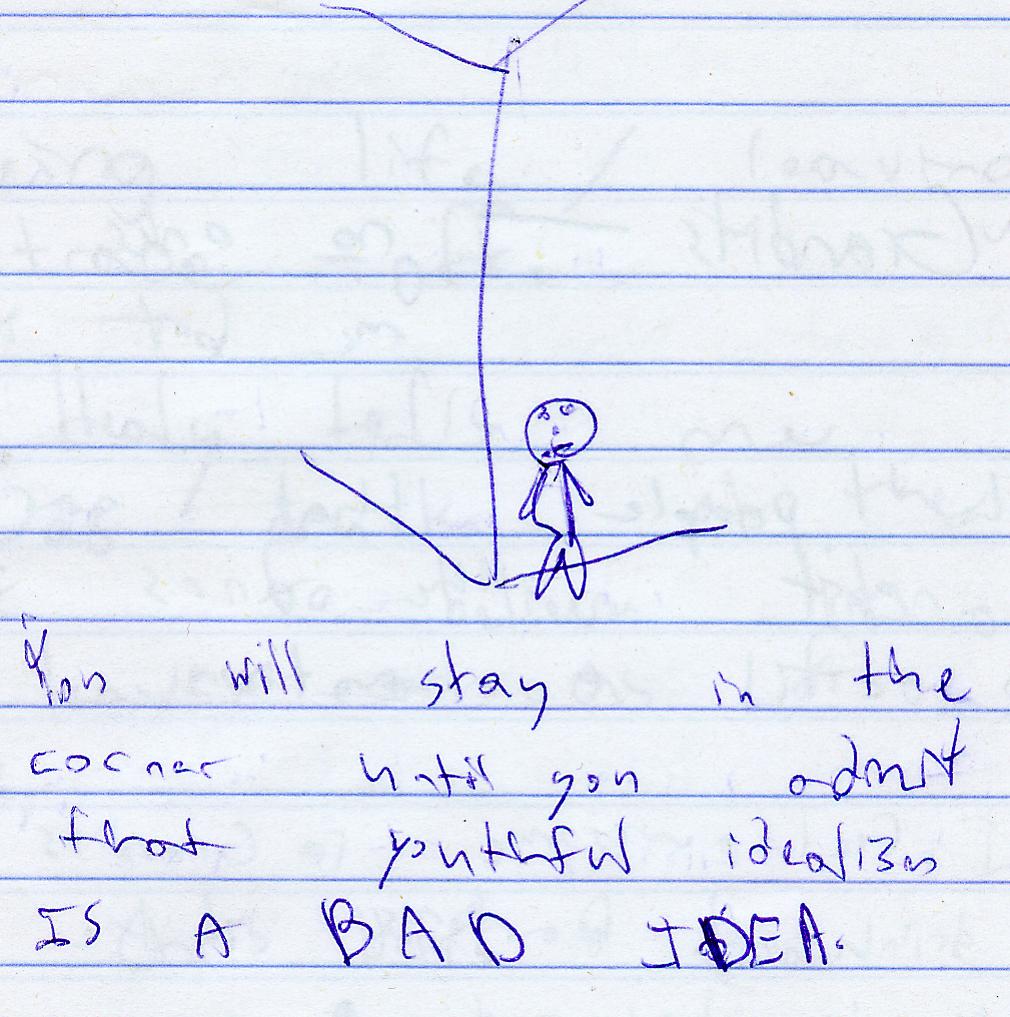
youthful idealism001

For a few years in college, I had angst about society encouraging me to go into a “practical” career that made money. I felt like the little kid in this cartoon, being forced to stand in the corner until I gave up on my idealism.

Lately though, I’ve found that it’s possible to make a living, and be idealistic too. I’ve tried to meet people doing this kind of work.

Cory Booker talked about this at the Cornell commencement (at minute 43:20).

A cool video on this theme: 

SHHH! necklace

shhhh necklace

Was tired yesterday. Coming down with a cold. Mom kept insisting I  do this and do that to cure my cold. I yelled at her. “LEAVE ME ALONE!!!”

Should have put on this trusty necklace first. It has a little box with a little hand inside it. Whenever my mouth is about to run off, the hand comes out and gives a friendly SHHHHHH!

I should keep this necklace in my pocket all the time and put it on whenever I’m tired and liable to overreact. It will prevent:

  • Reacting with anger to an insult
  • Saying things that are disrespectful or hurtful
  • Saying things out of line with the customs of the land

Hugs at work

hugs

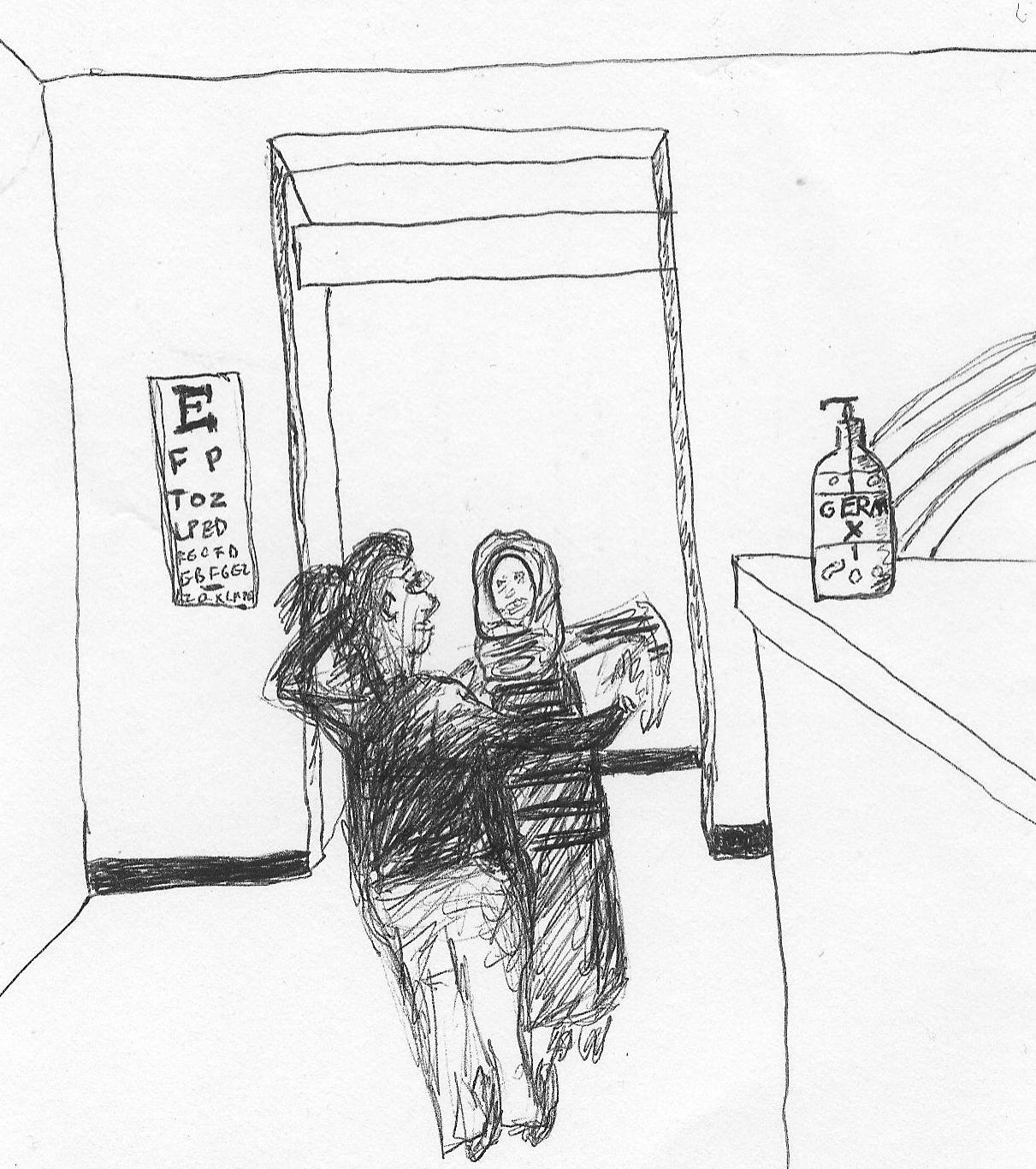
A tribute to a clinic I worked at for a few weeks. The clinic served lots of immigrants, and the staff were from many different countries. Instead of the awkward, “Hey,” or “How was your weekend?” people would hug each other at the start of each day. Little things like that make a big difference.

My cousin: “When you work at a place like that, it’s freaking positive.”

Facebook or Wikipedia? Doing handstands or drinking beer? Travelling or settling? What should I do with my life, how should I spend my time?

Life is like an n-dimensional teeter-totter, with each side having a trade-off:

-After one yoga class, the teacher said, “It’s your choice what to do with your life. You can go out drinking with friends, or you can practice handstands.”

-Settling down in one place provides the opportunity to build a community or family. Travelling provides new experiences and perspective.

-On the computer, you can socialize (facebook) or learn (wikipedia).

Psychiatry of the future (We don’t understand the brain)

“Mr. Smith, you feel sad because you have 4 extra norepinephrine molecules in synapse Q4.0007.496×738 in the nucleus accumbens. Luckily with these tiny tweezers here we can just pluck them out!”

For a summer, I studied the retina, which has 7 well-defined layers:

-The rods and cones respond to light.

-Then the information gets transferred to the next layers of cells.

-By the time the information reaches the brain, it is in the form of a code of action potentials.

From my understanding of the field, we are still far from taking a readout of action potentials from the optic nerve and generating the image that the rods and cones saw. It would be even cooler if we could look at a bunch of action potentials in the brain and know the person’s precise thought.

But a “neuroscience-based” psychiatry would be even more ambitious. It would say: look, here are the few neurons that are the culprit of your OCD or depression. Let’s change them.

I need to remind myself of this more often

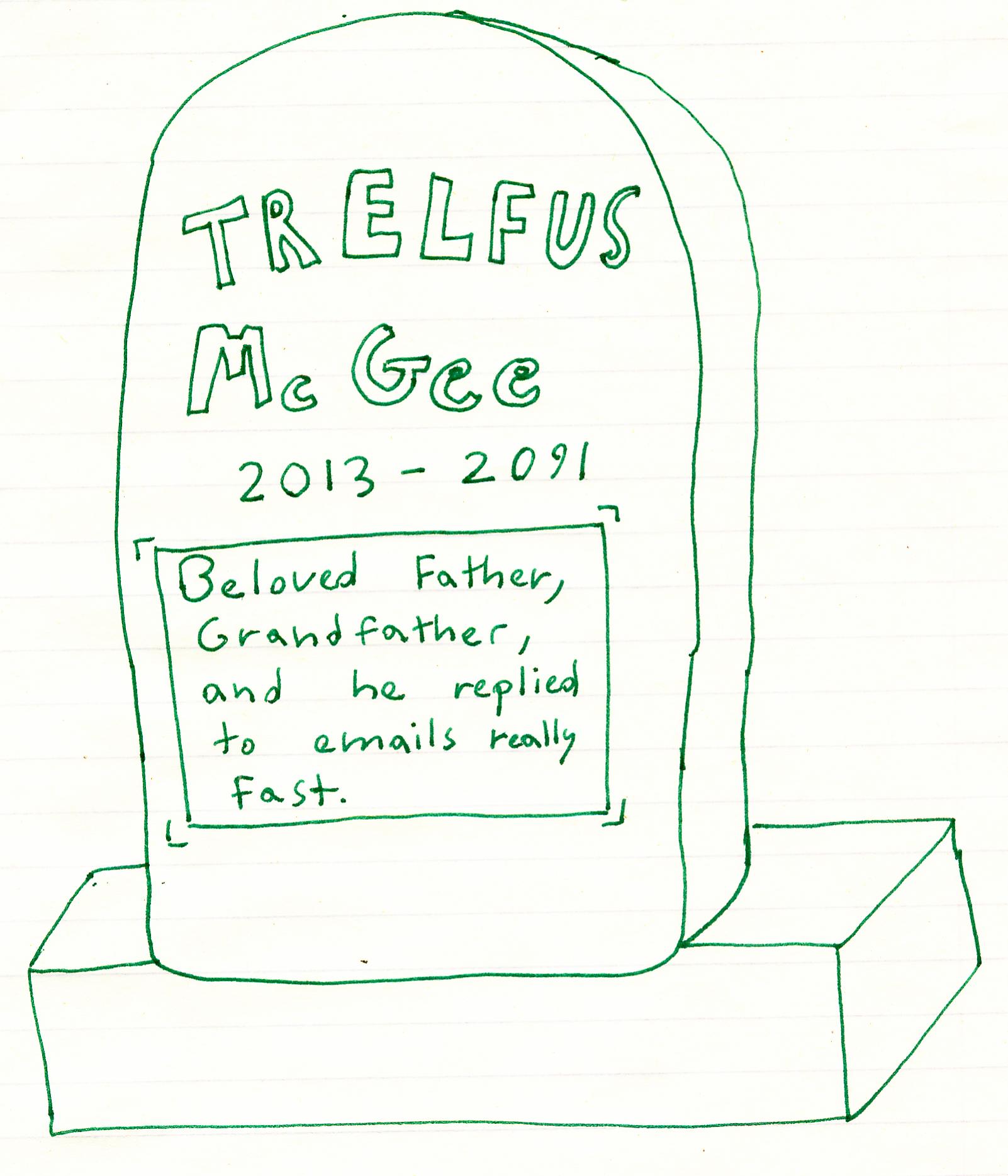
“I don’t do anything that has a zero percent chance of getting put on my gravestone.” [Don’t know the source]

This is a bit extreme, but it’s true that I often fritter away my time, doing stuff that’s addicting but not really meaningful. It’s fine to do this stuff (facebook, email, tv) to relax, but there’s an addictive property to these things that can distract from doing better stuff.

How to not burnout

For most of high school, I was a competitor. I stayed up late studying, came to school sleep-deprived, got up early on the weekends to plunge into the cold chlorinated water of the swimming pool, and had exactly zero close friends. After doing this lifestyle for a while, I think I forgot how to have fun, and it took me many years to rediscover how to.

The bright side was that I developed somewhat of a pain tolerance to unpleasant tasks. I guess that’s called discipline. As I’ve gotten older, I’ve gotten softer. I’m now more liable to draw, write, do handstands, talk to friends, or surf the web instead of doing boring work.

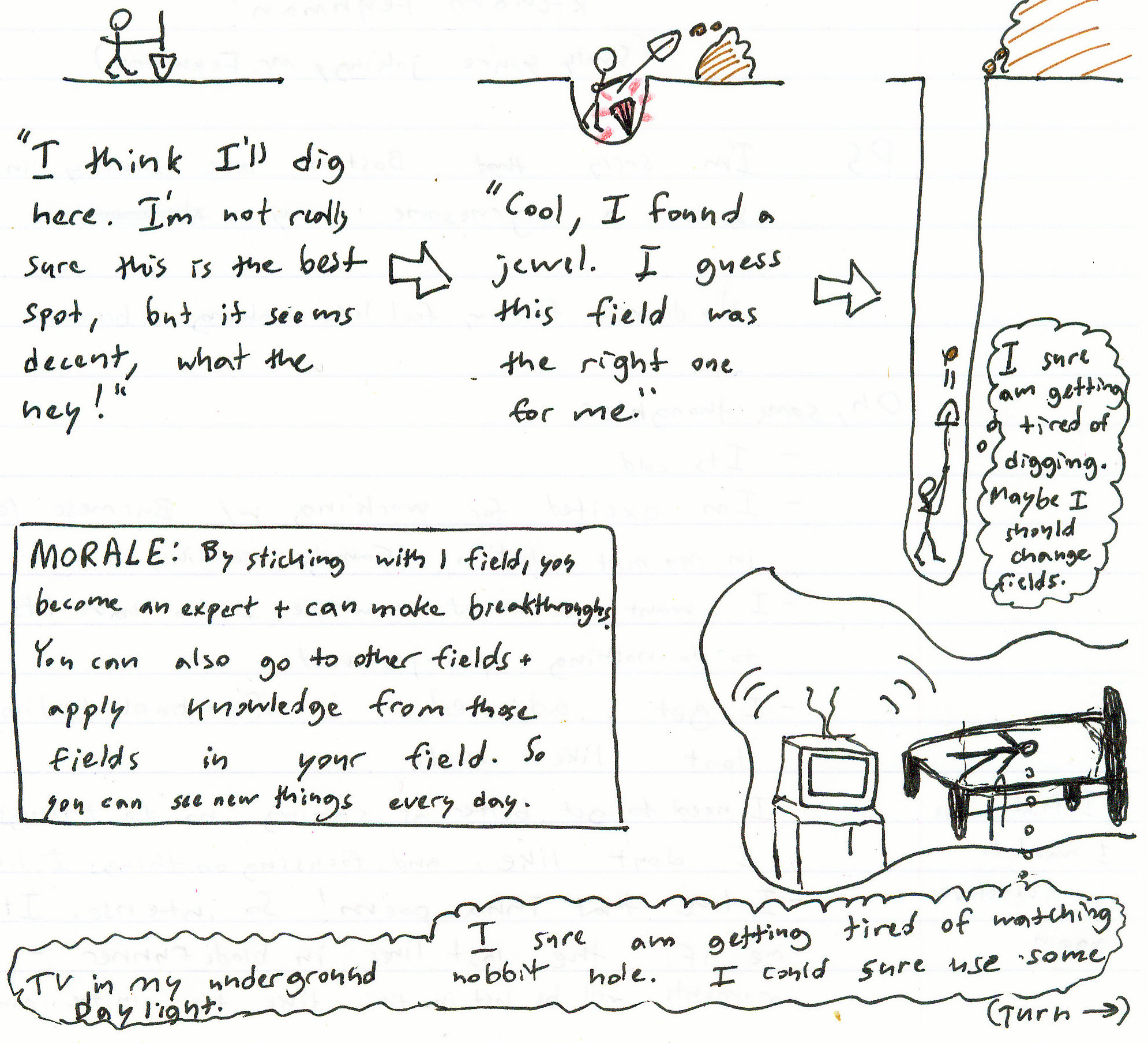
I need fun: too long without it and I don’t know who I am anymore. This cartoon shows an idea I had about how to make not-fun things fun. This works sometimes, but there are boring bits to any job and sometimes lots of them. I guess it’s good that I learned to tolerate not-fun in high school. Though as I’m getting older, my tolerance is going down.