All posts

Wabi Sabi

IMG_20140904_233215

What’s the difference between people in the first world and those in the third world? I would argue that one big difference is first world people (myself included) are obsessed with control.

Control is the default setting that has been wired into us from day one, living in this push-button “first-world” civilization.

A story:

I was driving the other day, trying to meet a friend, and rain started. It was a hell of a rain. Streets getting beat down by sheets of water from overhead.

But for me, instead of standing in awe of the rainstorm, I just got frustrated. This will slow me down, make me late. This rain that 100 years ago would have meant crops would have had water now meant nothing to me. Just something I could zip through in my hermetically-sealed car.

Our cult of control is pervasive, present in nearly every part of our lives.

Some more examples:

  • Death isn’t a natural part of life, it isn’t celebrated. It’s something to be battled against with medical interventions, which sometimes bring their own brand of suffering.
  • Hunger is remedied by prepackaged protein bars.
  • Tiredness is medicated by coffee.
  • Lawns are kept green by calling the guy who sprays and fertilizes.
  • Even in the day-time, we put blinds on the windows and use electric lights.

And this is how we live. But it wasn’t always like that.

^ ^ ^

In Japan, there is the concept of wabi sabi. Roughly, this is an appreciation of imperfection. For the transience of life. A wabi sabi bowl is one that has cracks. And the cracks are beautiful.

In the first world, we don’t appreciate the beauty of the cracks.

^ ^ ^

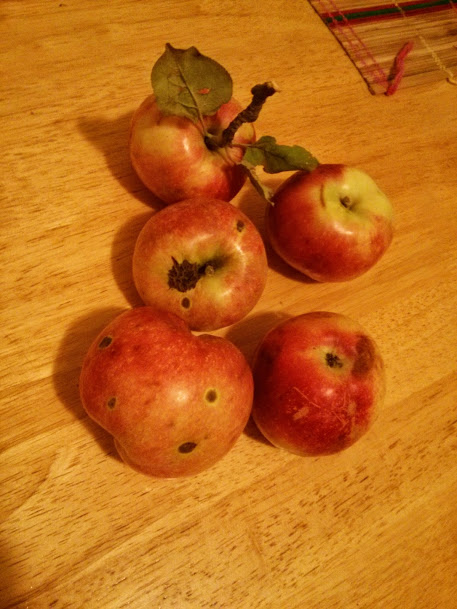
Here’s one for you: Organic apples are not apples that have “organic” stickers. Organic apples are apples that have worms. Unless humans intervene, apples will have worms. I’ve seen it with my own two eyes, I swear, it’s true. Wormy is the natural state of apples.

But somehow, somewhere, we decided that apples should be worm-free. And by golly, we’ll blast ’em up with chemicals until they look just right.

The crappy thing is that by trying to control it all, we suffer. In the wabi sabi perspective, we shrug our shoulders and say “Shit happens, that’s life.” But in the control perspective, we are so, so serious. The apples are shiny and the streets are clean and we get so much done it’s true, but the catecholemines rush through our vessels and harden our arteries and mess up our brains.

^ ^ ^

My friend Greta and I were talking about natural building the other day.

I’ve been thinking about why it’s important for me to have natural building materials (e.g. unfinished wood, straw) visible inside my house. You could say: what’s the big deal. Who cares?

I think it’s a constant reminder that I’m just a part of nature.

Some people say “I keep G-d in my heart.” But I flip it and say to myself “G-d keeps me in his heart.” It makes me think that I’m not so big and important. That I’m just a little part of this world.

~Greta

Wash your intentions, trash your goals

take utopia seeds_stitch.jpgIntentions vs. Goals

What’s the difference between intentions and goals? Here’s a story that hopefully illustrates the point:

Let’s say that today, I have the goal to go to the gardening store and get onion bulbs to plant in my garden. Underneath this goal is an intention: to be closer to nature, to be more self-sufficient.

Now maybe, on the way to the gardening store, a three headed monster pops up out of the earth. The monster provides me with secret seeds that when planted will lead to an ecological utopia. If I am focused on my little goals, I will say to the monster: sorry, no thank you, no time. I have to buy these onions.

But if focus on my intentions, maybe I can let go of my goal and take the seeds.

The fantasies our brains dream up are just so flat and boring compared to the unexpected realities that come. When we fetishize and grasp goal number 1, we shut off possibilities 2, 3, and 4.

IMG_20140820_132240

Wash the dirt off your intentions

It takes a long time to make a fake

We night swam down in the lake

Washed the dirt off our intentions

Prattle on ’bout bad inventions

-Modest Mouse, I Came as Rat

Mainstream society often worships fame and money and looking good. It’s hard to be free from wanting these things. One way to wash the dirt off your intentions is to state your intentions publicly. If you write your intentions on the walls for everyone to see, then you are more likely to adhere to them.

For example, with this blog I had the desire for fame and money for a time. But then I wrote my intentions for the blog on my about page. When I get side-tracked, I can read this page and say to myself, “Oh yeah, that’s why I am doing this.”

Pure intentions are useful

Let’s face it, we can’t control outcomes. But we can control our intentions to an extent. And having good intentions is quite useful. Here’s why:

1. Intentions give you a general direction to walk. It’s helpful to have a direction when you set out walking, or you can end up in some pretty dark swamps.

2. Intentions motivate. As a doctor, I work in a stressful environment. Sometimes in the rush of things, I forget why I’m doing the job. So I write my intentions down on a card. I tape this card up above where my white coat hangs. It puts me out there. And it motivates me to study and to listen. 

IMG_20140822_103850

3. Intentions help you understand why you want what you want. Sometimes, the goals we have come up unconsciously and cause stress. Focusing on intentions helps deconstruct them.

Recently, I had this goal come up in my head: “I want to have 2 kids.”

“Why do I have this goal?” I asked myself. Here were some things I thought of:

  • I want people to care about me in my old age
  • It would be cool to pass along my values
  • I want to pass on my chromosomes
  • I like playing with kids
  • I don’t want so many kids that I destroy the environment

Some of these are my real, deep intentions. Others, I think, are intentions that passively diffused into my head and they don’t feel good for me. So I can now start the process of purifying these intentions, washing off the dirt.

Also, I need to trash the specific goal. Maybe 8 kids or 0 kids will be in my future, but as long as I’m walking roads guided by my intentions, then I’m walking good roads.

Trash your goals

In college, I saw people growing up too fast, going towards careers like little packages travelling down pneumatic tubes. I wrote this poem about it:

       Ode to the Unambitious

       The arrow of your life is not locked, yet
       Thoughts within your mind still freely swim
       The key to make you speed has not been turned, yet
       You look up at the tall plants as a seed
       You have not been pressure-packed and shipped, yet
       There is no single place you want to be
       Wishes that stream out from you have not been capped, yet
       There is no need for practicality
       You stand above the helpless souls
       Who kick their way to some small goal
       My friend, you watch the arrow sway
       And delight at the directions

If we don’t grasp goals, and instead have clear, but general, intentions, then we we can walk the journey with delight. We know generally where we are going, but where we end up will be a surprise.

The key to all story endings is to give the audience what they want, but not the way they expect. — William Goldman

The entropy of people

The entropy of peopleOn the TV show House, House is this brilliant guy but he needs his team to talk things through to get ideas.

*

I recently was cleaning the kitchen and moved the paper towels. My roommate said: “Great idea putting them here [on a ledge behind the sink]. There’s more counter space.”

I wasn’t even thinking to do anything in particular, but cool, I helped solve a problem, I thought.

*

A few minutes later I was in a bit of a rut, wandering around the house. 

“You should go on a bike ride,” my roommate said.

I did, and it was a great bike ride. I wouldn’t have thought of it without my roommate.

*

People have different perspectives and what’s obvious to one is not obvious to another and we all collide and bump into each other and through sheer entropy we create better ideas.

—-

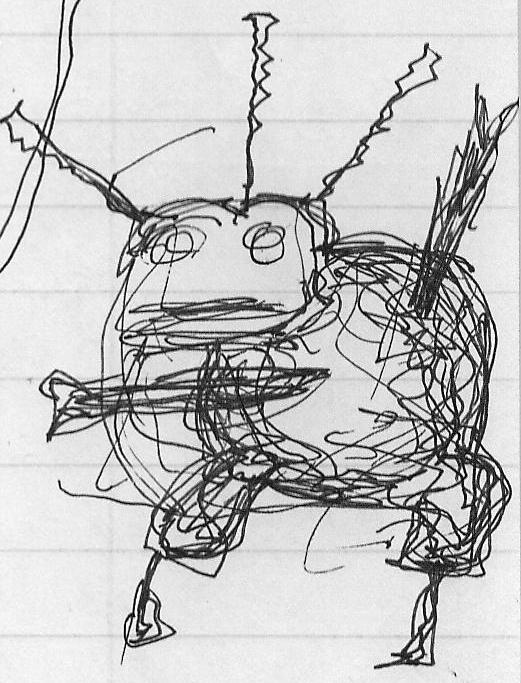
The picture is one I drew in first or second grade. 

You wasted life, why wouldn’t you waste death?

To shake things up a little on this blog of visual meditations, here are some audio and gustatory-meditations:

I went to a mindful eating dinner last night.

The leader of the dinner said: “For the next 5 minutes, eat your food slowly. Think about where it comes from. Think about the land, the farmers, the truck drivers, the stores, the cashiers, everyone. Savor the textures, spices, sounds, smells.”

And that meal lasted forever. At some point, my brain said: “Gorge! This food is healthy and tasty and you should get more!” I noticed this but didn’t move on it.

In and out of mindfulness I went. I noticed a lot about the meal. The rice was the best rice I ever had – vinegar notes and crackly sounds between chewy grains.

This morning, I tried to replicate the exercise. I ate an apricot. Then a carrot with almond butter. I really savored them.

I wasn’t hungry at the end of the small meal. But somehow my brain said: “Gorge! Or you will be hungry later.” And I gorged, out of fear.

***

It strikes me that I often can’t remember things. Like what I ate, or whether I closed my car doors or locked up my bike.

This is a symptom. It’s a symptom of lack of mindfulness. Of not paying attention.

Getting lost in thoughts is great, but constant fear-based thought loops that prevent perception of the world are bad news bears. Why? Because life is memory:

If you don’t remember your life, it’s like it never happened. – Derek Sivers

***

So mindfulness is not some new agey thing for hippies with too much time on their hands. First of all, it takes 5 minutes. Eating takes 15 minutes, let’s say. Five of those minutes can be spent eating mindfully. Same goes for any other activity.

I love the angry tone of this Modest Mouse song, which is really about mindfulness I think.

My interpretations are in parentheses:

The ocean breathes salty, won’t you carry it in?
In your head, in your mouth, in your soul.

[Pay attention to the ocean. Let it in to your sensory organs – to your head, mouth, and soul.]

Will you tell me what you saw and I’ll tell you what you missed

[Hey Dude, Tell me what you saw. Nope. You missed a lot, because you weren’t paying attention.]

For your sake I hope heaven and hell
are really there, but I wouldn’t hold my breath.
You wasted life, why wouldn’t you waste death?

[If you aren’t present during life, then I hope you get another life. But I wouldn’t hold my breath that this will happen.]

You wasted life, why wouldn’t you waste the afterlife?

[And even if you did get another life, you’d probably waste it, because you are in the habit of wasting your life.]

So now it’s time to practice mindfulness. It’s time to get in the habit of NOT WASTING LIFE.

***

If you miss the here, you are also likely to miss the there. If your mind is not centered here, it is likely not to be centered just because you arrive somewhere else. – Jon Kabat-Zinn

Found a few buddhas, hanging out under logs

MonsterWhen I come before the judges of the heavenly tribunal, they are not going to ask if I lived my life like Moses or if I lived my life like Abraham. They are going to ask if I lived my life to be the best Zusha’s could be. – Rabbi Zusha

I feel like I met Buddha the other day. He was overweight, wore bright Hawaiian shirts, and owned a hostel in a touristy part of Costa Rica. His name was Conrad. Here’s a picture.

I don’t know why I thought he was Buddha, but I did. He wasn’t particularly ascetic. I’m sure he loved life’s worldly things. But I just got the feeling he was living really true to himself.

“I left California. Everyone there is so busy and obsessed with stuff. Nobody enjoys life,” he said.

Yesterday I walked the path my dad and I often walk. I was barefoot. I thought: life is good. I have enough food to eat. And I have time to do something pointless: go for a walk. Pointless as in: not directly involved in the process of getting food. For a minute, I felt like Buddha.

Then we visited my family friends. This couple is loud and boisterous. They have 2 dogs, 2 cats. They yell at each other in comic ways.

An excerpt:

Husband: This dog is so old and sick…but he doesn’t die.

Wife: Just like you!

Husband: Me and the dog will both die at the same time, so then you can have just one funeral!

Wife: Do you think I’m planning a funeral for the dog?

I think this couple are enlightened too. They are perfect for each other and they come alive when they fight. They watch crappy TV shows, don’t live very healthily, but something about them, I don’t know, they are just real.

I feel like life’s enlightened ones aren’t the gurus spouting wisdom. They are the real people that I happen on unexpectedly. I can lift a log and find some grubs and monsters that are maybe ugly, maybe hairy and slimy, but they are perfect. No airs. Just fitting their shirt perfectly. Fitting their life. Living their truth.

Found a few buddhas, hanging out under logs.

Wine on the winemaking pages

“Since I first wrote it [The Complete Book of Self-Sufficiency], the book has certainly gotten about. I have traveled in at least dozens of countries since I wrote it (to say nothing of four continents), and in every one of them people have come up to me with their copy to sign. I have been delighted to find wine stains on the wine-making pages, and good, honest dirt on the gardening pages.” – John Seymour

Theory is fine and dandy, but practice is where it’s at.

You have to do things, not just philosophize and “understand” things.

My goal this vacation is to get my copy of the Complete Book of Self Sufficiency covered with wine and dirt. I’ll be taking pictures, and will post them below when they are taken.

—-

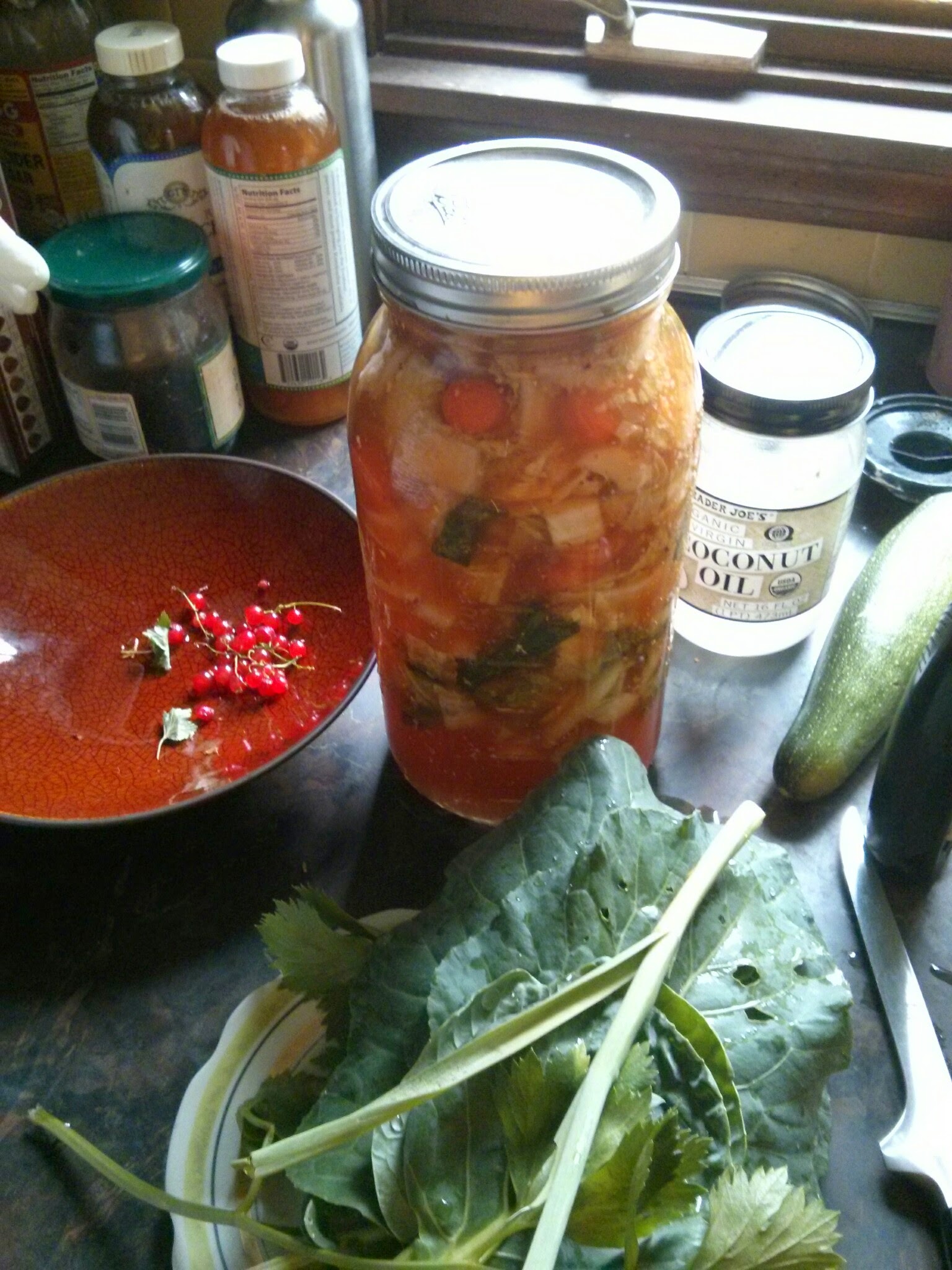
Kimchi I made (with guest appearances from my mom’s zucchinis and my dad’s home brew kombucha):

IMG_20140728_144446

A towel holder, made by my dad (mostly) and me: 

IMG_20140616_184945

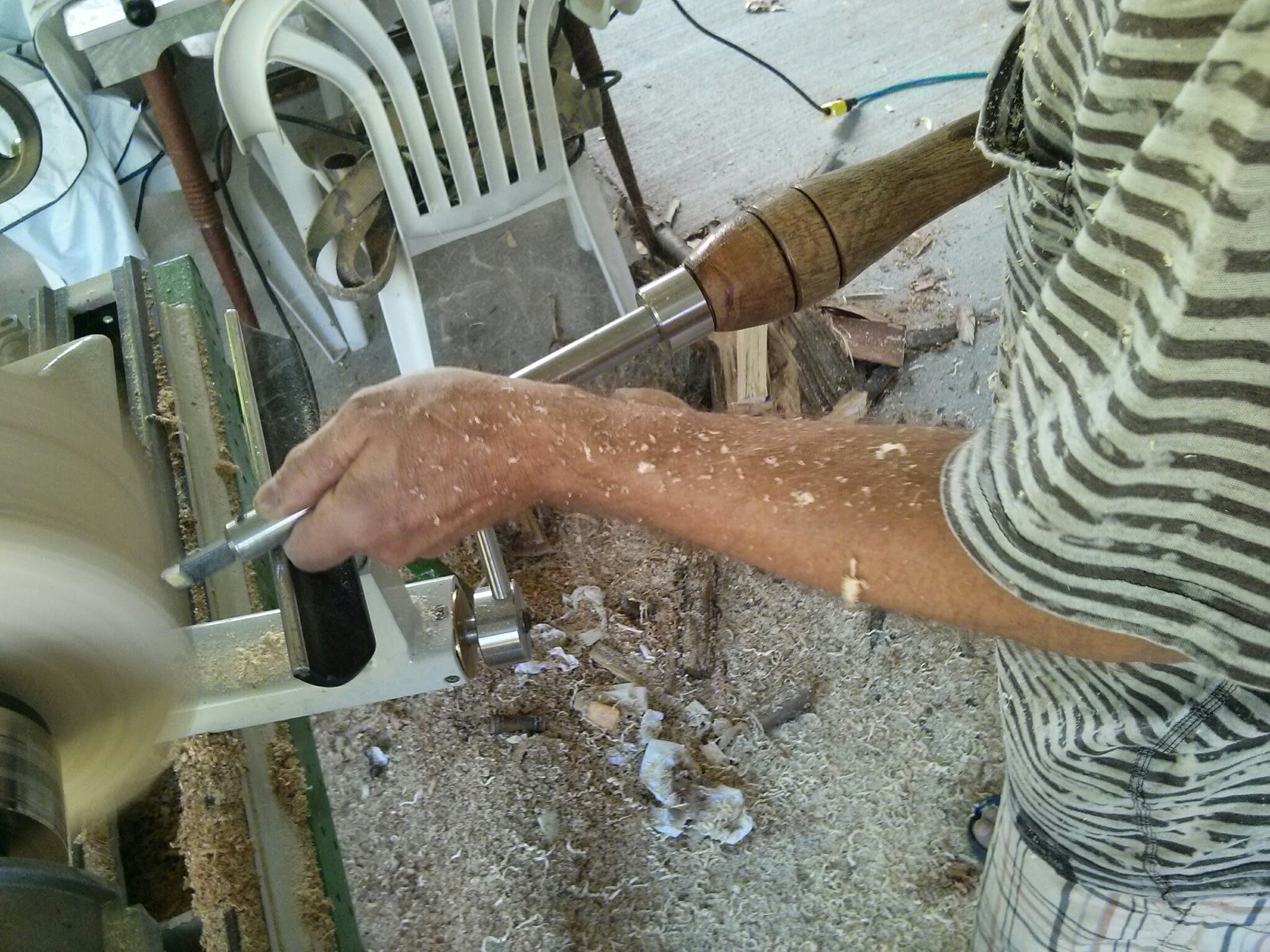
My dad turning wood on his lathe:

IMG_20140704_162327

Gardens I worked on weeding at the mind-body retreat in Ithaca (Travis Knapp was the main garden master – check out his soulful music.):

IMG_20140623_192904


Public and private

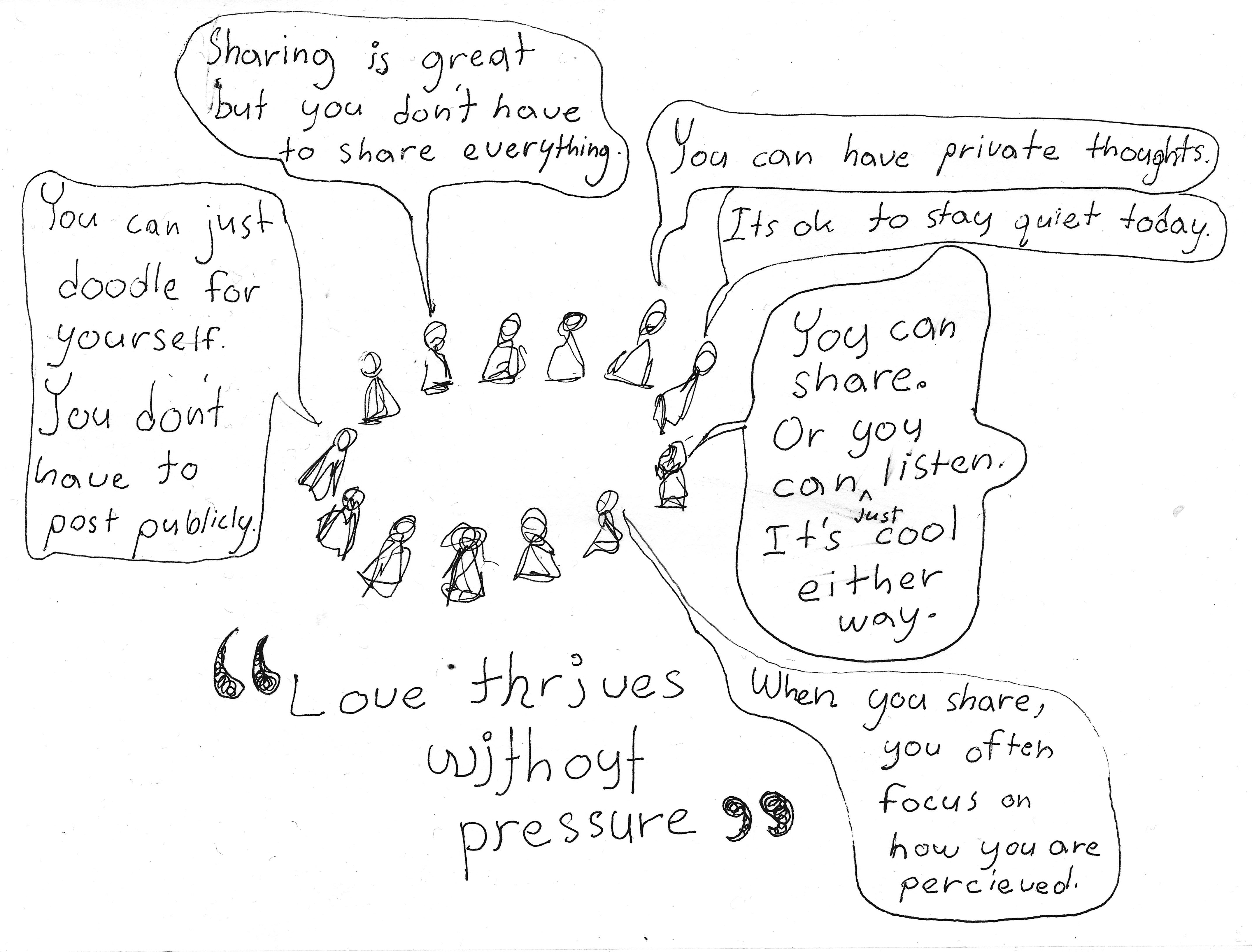
love thrives without pressureSharing circles are a thing. After a yoga class or camping trip or whatever, people get into a circle and share their feelings.

This blog is basically a sharing circle for me.

But there’s the trap with sharing if you focus too much on how you will be perceived. Maybe, you feel a pressure to say something interesting or significant so that other people go OOOOHHH and AAAAHHH.

I thrive on feedback. Screaming into the world and getting some kind of response. I have kept notebooks for many years, and it’s nice to cull entries and put them into this blog which is like a soapbox on which I stand and share my thoughts.

But there should always be a place that’s private. A diary that no google algorithm can access, that no other people know about.

I need both public and private. Without a venue for sharing, I feel lonely, like I’m all by myself screaming into the desert and maybe I’m a crazy person here, alone with all these thoughts. But sharing everything makes me feel like I am not my own person, like everything is on display, like I can’t have a thought that’s unfinished or unflattering or ugly or pointless. Without the freedom to doodle and make bad work, there’s just too much pressure.

So sharing circles are nice, but staying quiet is nice too.


Quit what you don’t love

Quit What You Don't Love

After quitting his job, my brother sent me (and his co-workers) a link to this punk rock song, which has the lyric: Quit what you don’t love.

Recently, I have been getting into the concept of minimalism — reading blogs on it, going to talks on it, giving away stuff I don’t use — but today the concept really clicked for me.

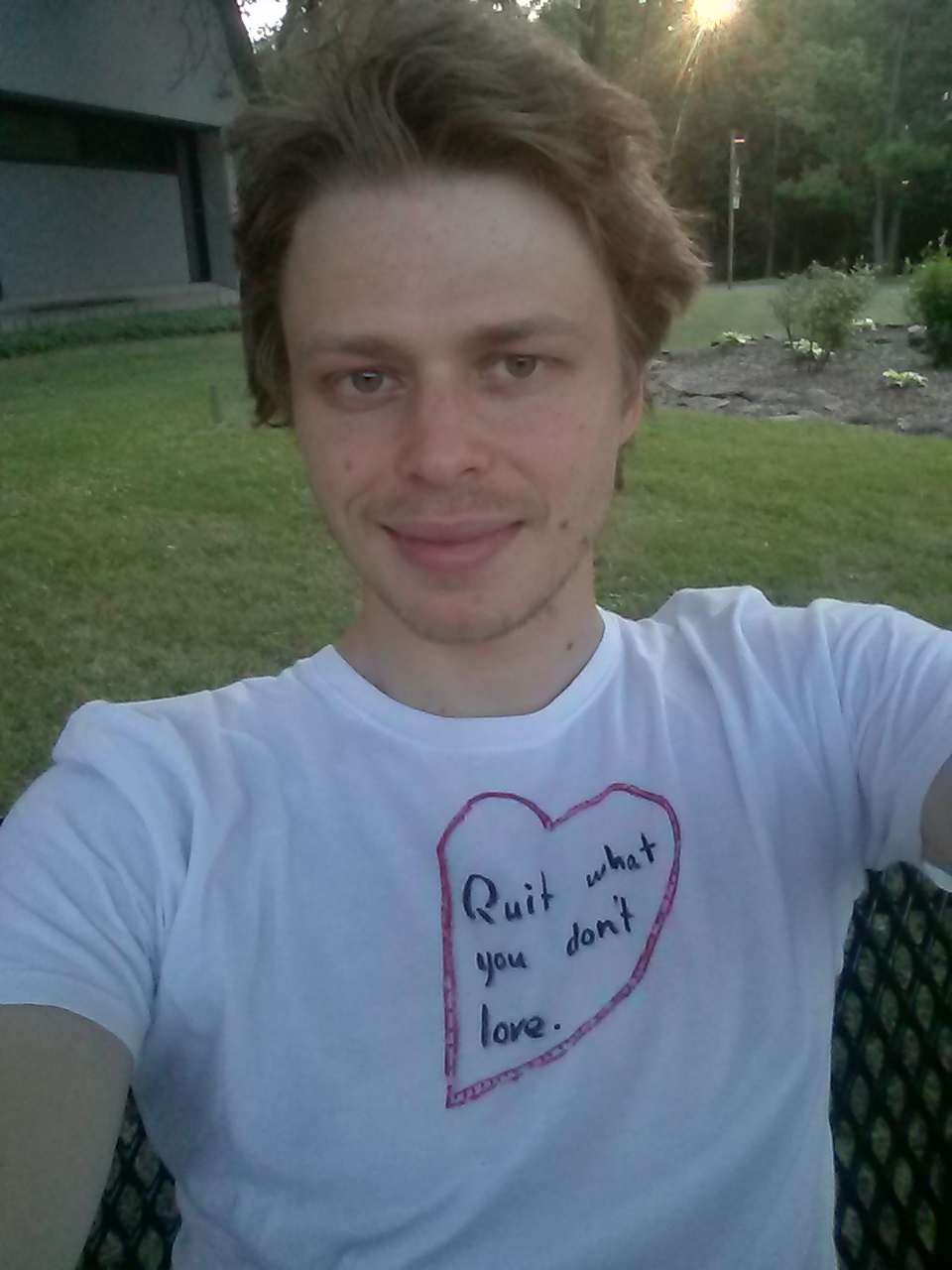
Minimalism is not owning 3 pairs of pants. Minimalism is quitting what you don’t love. Whether that be people, places, things, or mental states.

As soon as I had this epiphany, I wrote “Quit what you don’t love” on a white t-shirt, put it on, and drove myself to yoga class.

I was late, but I didn’t rush. With my new minimalist t-shirt on, I thought: do I love rushing, or do I love going slow?

I love going slow.

Then I got to the class and the door was locked. I peered in: the class was well underway.

I asked myself: Would I love breaking the flow of the class, or would I love going with the flow and maybe doing yoga outside in the nice weather?

Of course, outside!

Then I got outside and was too lazy to do yoga, so I sat on the bench and watched the people walk by. Outside on that bench, after having quit a bunch of frames of mind I didn’t love, and I had the space to just be.

I might not know what I really love. But if I quit the things I don’t love, then maybe there will be space for the things I love to move on in.

I did some excellent people-watching sitting on the bench there.

A delightful old man walked very slowly out of the building. He said to me: “Have you exercised already?”
“No, I was late to yoga and got locked out,” I said.

“Oh yoga, there’s a lot of pretty girls doing that,” he said.

“That’s not why I come, but it is an added perk.”

He laughed and walked slowly towards his car. I really enjoyed meeting him, and seeing lots of other people, as I sat outside and watched the sun set.
Minimalism is about not being afraid of what happens when you quit.

The world won’t end. The world won’t end. The world will open up.

(I hope.)

The internet people I have seen go the minimalist route have all survived at the very least, and many have thrived.

So I’ll be wearing my home-brew t-shirt, quitting things, seeing what remains, and what else comes in.

quit what you don’t love cause we’re enough
live as you make it up cause we’re enough
you’ll never go without cause we’re enough
we’ll buy a house cause we’re enough
we’ll grow some food cause we’re enough
we’ll slam some dunks cause we’re enough
don’t be afraid cause we’re enough
you’ll always be ok because we’ll always be enough.

 — Wingnut Dishwasher’s Union

===

A cute little video that’s relevant, if punk rock isn’t your thing.

Time to say wow

namastache

A story about deja vu in the Intensive Care Unit:

A guy was on the ventilator (a machine that inflates and deflates the lungs for a person through a tube that goes down the throat). Suddenly, the oxygenation of his blood dropped. I listened to his lungs. Breath sounds on the right, none on the left.

An x-ray showed a complete white-out on the right hand side.

I called a bunch of people: senior doctors, the radiologist.

The radiologist said: he has fluid around the lung.

One of the senior doctors ultrasounded the lung and said: “There isn’t actually that much fluid around the lung. Probably there is a mucous plug upstream that is causing the lung to be filled with fluid.”

So the patient didn’t have fluid around the lung, he had fluid in the lung.

We increased the pressure that breathing machine puts into the lungs, and the oxygenation of this blood went back to normal.

Then the deja vu moment: we got called to see patient number 2.

He had almost the same picture: a complete white-out of a lung on chest x ray.

But the ultrasound for him showed that there is fluid around the lung (not inside the lung like the first patient).

Patient number 1 could benefit from removing the mucous plug, patient number 2 could benefit from draining the fluid around the lung.

—-

These 2 episodes happened within a single hour. After that, I rushed off to do more mundane things: writing orders, checking labs.

I went home after this night shift, ate a bunch of ice cream, and passed out. When I woke up, I thought: that was really cool.

Wow.

In medicine, the thing I lack is time. I’m always running around.

Life is really freaking cool. Space is great. It helps you say wow.

Good listener

good listener

An interaction happened today.

A patient died. This was a sick person who had been in the hospital for over a month.

The family wanted an autopsy not for themselves, but to “improve medical knowledge.” Our team thought that this didn’t make sense because the disease the patient had was not a mystery.

A desire sprang up in my brain to call the family and convince them to see things our way. Luckily, my colleague called the family.

This is what she said:

“I just wanted to call to let you know what an autopsy involves. An autopsy will involve removing the organs and examining them. We do autopsies when there is a medical mystery, but in this case we had a pretty good idea of what was going on. But if you want an autopsy that is completely your right.”

She gave her thought process but was open to accepting whatever they wanted to do. She didn’t have this rigid: I-WILL-CONVINCE-YOU! – Homer-Simpson-strangling-Bart-Simpson – type vibe that I had.

A long quote from Leo Babuata:

“A lot of the time, we come to a decision to make a change, and we want to get our spouse on board after we’ve already made the decision. But the decision didn’t just happen in that moment…You’re going through all this thinking process and reading and finding inspiration…So you’ve gone through this process but your spouse hasn’t…You have to help them go through the process on their own. They might not make the same decision as you, but you have to give them the opportunity to go through a process.”

This is what my colleague did with the family. She gave them her thought process but she let go. She allowed them to go through their own process.

One aspect of being a good listener could mean being present to the cues people give you, “smelling the air.”

Another aspect could be being receptive to other people’s process, journey, truth.

Let’s not taco ’bout it

Had a tough day, lots of unresolved emotions. Talked about it. Worked through them. Resolved them. Thankfully I had someone to talk to.

But when I got home I was so guilty I couldn’t sleep. My family wanted to talk about it some more. I said no.

At a certain level, it’s good to talk about it, but this hits a sweet spot when nothing more productive will be gained and you have to take a break. It’s tough to walk this line between ignoring problems and wallowing in their muck.

I hope you know that I’m not trying to complain / It just gets hard to explain / To people that I know / And the kids who come to shows / That I just don’t want to talk about the office today Wingnut Dishwasher’s Union

Update (7/28/2014): Yesterday I was able to talk about the “bad day at work” with my grandma freely and realized that in the moments when things are undefined in my head it’s hard to talk about them with question-asking people. But after a while, things become a cohesive story, and I can talk about them. I just need my alone time to process and let things gel.

Put aside time to re-interpret your past events, as a powerful reminder that you can re-interpret your present and future, too. – Derek Sivers

It’s the ones who’ve cracked that the light shines through

eyes of the world

There is something to crazy people.

Two stories, from two places, on this theme:

1. Costa Rica

I met a guy in a hostel who seemed crazy. He saw cosmic meaning in everything, from the arrangement of decorations at the bar, to times of day when the internet cut out.

He took my brother, me and a girl to a secluded beach. While we swam, he found a plastic spoon, a cigarette butt, and a medication wrapper, which he put into a coconut. He lit the coconut on fire and had the girl march into the ocean with it and let it float away.

“It’s just a little pollution, but it’s OK,” he said. “These represent man’s evil: plastic, pharmaceutical medicines, addicting drugs. In the future, we will purge ourselves of them.”

“The biggest lie is that we can’t break the cycle. That we have to keep on making mistakes.”

2. Buffalo, NY

A girl was sitting in a park, talking about how she hates her apartment because it has bugs in it – silverfish, cockroaches, ants, earwigs, the works.

A guy comes up to her and says, “You don’t really hate bugs, you just have probably been conditioned since childhood to say that you do. Bugs are so small, they can’t hurt you. When I see them, I say, ‘Oh, you poor thing, you probably want to go outside.’ And I take it outside.”

The girl walks away.

—–

We all agree with trite sayings: love nature, love your fellow man. But what happens when these sayings are taken to their extreme?

Extreme compassion, extreme environmentalism, looks a little crazy.

In truth, we’re not living by our stated morals a lot of the time. The world is unjust in a million ways and we numb ourselves to this on a daily basis. When people bring this fact up, it’s a defense mechanism for us conventional folk to label them as crazy in our heads.

In truth, crazy folk sometimes make good points. We should listen to them. They can be like cold water on our faces to wake us up.

It’s kind of like the Joker quote from Batman: You know what I’ve noticed? Nobody panics when everything goes according to plan. Even when the plan is horrifying.

—–

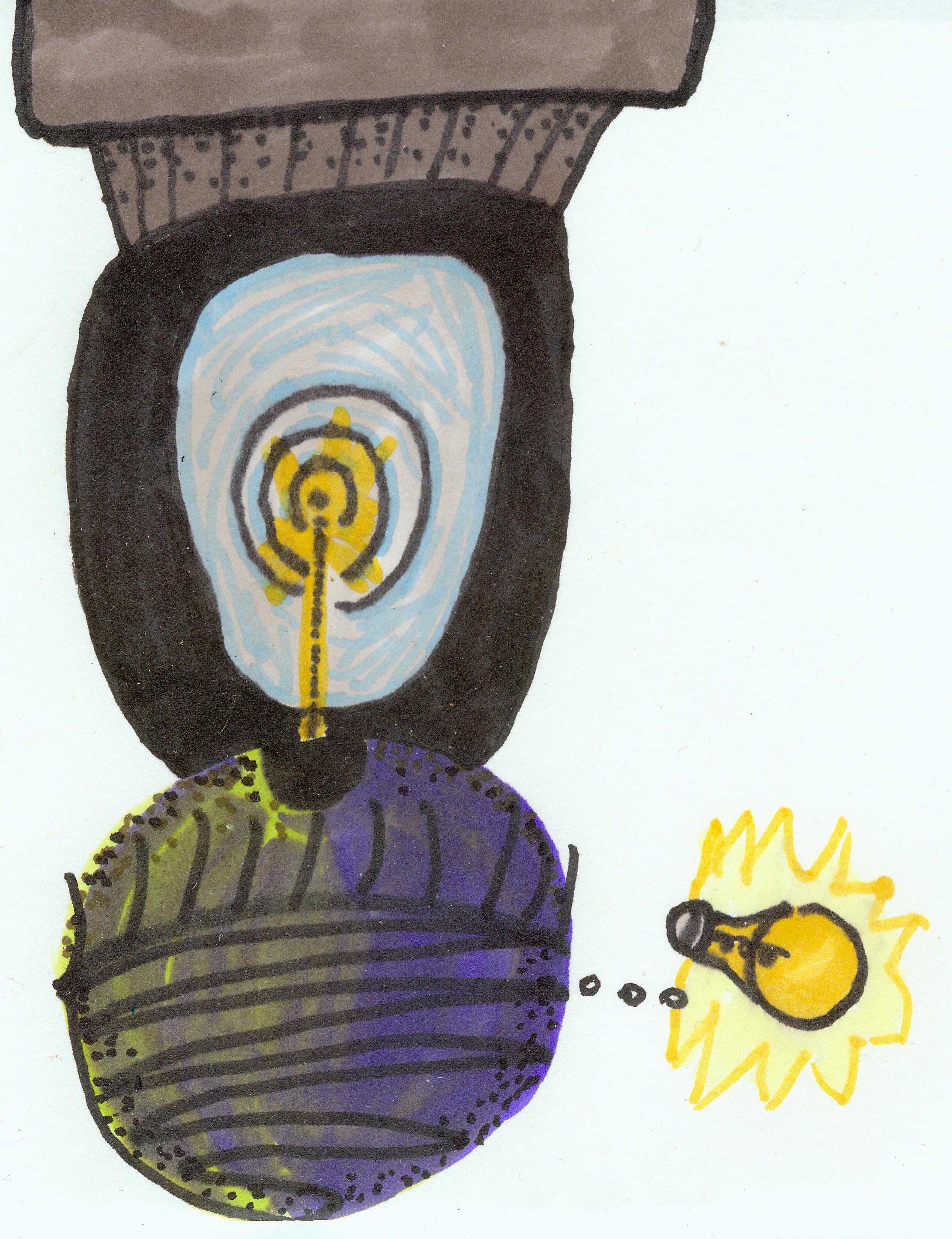
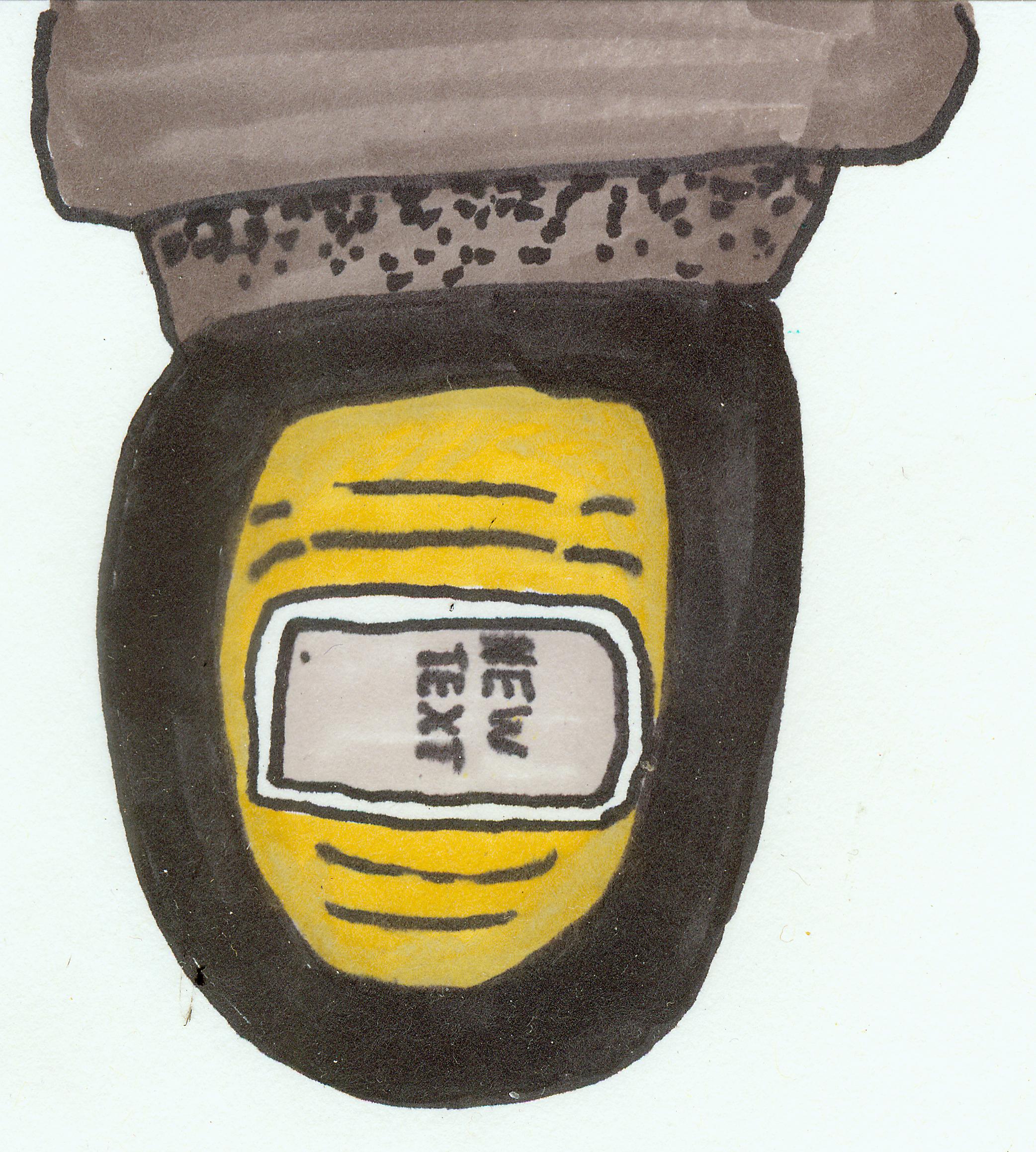
The picture is inspired by the song Wake up to find out that you are the eyes of the world. The world is an eyeball with a yellow optic nerve coming out. This optic nerve might well be a “crazy” person, who is seeing things that other people won’t see.

Or they are a child.

Or an alien with an unbiased mind.

We get biased as we grow up. We don’t see the light a lot of the time. “It’s the ones who’ve cracked that the light shines through” is the title of a Jeffrey Lewis album. But maybe they haven’t cracked. Maybe it’s just us who have stopped seeing.

—–

I am working on this — living within my morals. I don’t want to preach, but I have some control over not doing things that bother me just because they are convenient or accepted.

Inspirational quotes from patients

So a week of intern year is behind me. It’s a steep learning curve. Luckily my patients have some words of wisdom:

——

Lady after big surgery is having a new symptom: hoarse voice possibly due to vocal chord damage from intubation.

Me: I’m sorry this happened to you.

Lady: I hope it goes away, but if it doesn’t go away, then I’ll learn to live with it.

——

Alcoholic guy comes in with new onset fatigue (sleeping 5 hours during the daytime for no good reason).

Me: How’s your mood?

Alcoholic guy: I’m happy. Life is grand! Life is what you make it. If you’re not happy, then fix it. If today is bad, then tomorrow will be better!

What I’ve Learned About Habits

less horrible things

Over the past month, I’ve gotten pretty deep into the study of habits. I’ve joined 3 habit-building programs (Zen Habits SeaChange – $10/month, Tiny Habits – Free, Pavlok’s Hack the Habit – Free, but no longer available). I don’t want this article to be a pitch for any particular program, though I do think they are great and recommend SeaChange and TinyHabits highly (haven’t tried Pavlok, a device which hasn’t yet come out).

Why care about habits?

A person = his habits + his principles. Principles define conscious acts, habits define unconscious ones. I want to be a good person, but being a good person is tough if you have bad habits.

If you want self-esteem, you have to do esteemable acts. You need a basis on which to hang that self-esteem. -David, former alcoholic

So think: what kind of person do I want to be? A person can have lofty principles, but if he needs coffee every day just to function, watches porn, cuts people off on the road, doesn’t pay attention to people when they talk and instead surfs his phone, then there is room for improvement.

People have this attitude that what we like is fixed. When I was a vegetarian, I often heard people say: “I couldn’t live without steak.” Honestly, I was just as happy without steak as with steak. We can change what we like and what we crave. A heroin addict craves heroin, but wasn’t born craving heroin. He rewired his brain to crave it over years of use. So it is with our habits. Yes, we crave our coffee, our facebook. But we can train ourselves to be better. We can train ourselves to crave flossing teeth and exercise and work.

So many of the patients I see have destroyed their health with bad habits (eating, smoking, drinking, drugs). I don’t think it’s enough to just say to someone: lose weight, quit smoking, floss every day. We need to give people tools to change their habits.

So without further adieu, here are some of the tools I’ve learned:

  1. Change one habit/month. Make one habit your absolute habit for the month. Focus on doing this every single day. All the other habits you can experiment with, but they are icing on the cake.
  2. Keep a list of more habits to change. As you think of more things you want to change, write them down. I use Wunderlist as a to-do list and keep a running list of habits to change in the following months. But I only hold myself to changing 1 habit/month.
  3. Triggers. Triggers are things you already do, and you put a habit after doing them. For instance, if you want to build a flossing habit, your trigger can be brushing. The most reliable triggers for me are waking up and going to sleep. This month, I meditated before going to bed. After a while, I grew to expect my meditation time. When you start with a new habit, the best trigger is one that you do exactly once a day because it’s nice to know that you have gotten your habit done for the day and can celebrate and move on.
  4. Tiny Habits and Consistency. Consistency is super important for doing habits. It’s easier to do a habit every single day than 3 days a week. It’s also really motivating to have this kind of consistency. So make it impossible to fail at doing your daily habit. How? Make the habit tiny. My habit this month was meditating every day. I set my goal as 2 minutes/day. Anything else was gravy. Some days I meditated longer, but this was not required. The goal was doing the habit every day, not doing anything heroic. If your habit is flossing, make it your goal to floss one tooth. You will eventually want to floss more, but the goal is to train yourself to always expect some flossing after brushing.
  5. Social Support. Humans are social creatures and social support works. I have an accountability buddy who was assigned to me, and it is nice to text her after I do my main habit. You can ask a friend to be your buddy, or shell out 10 bucks and join SeaChange and scour the forums for someone who wants to be your buddy.
  6. Reward. Drugs are addicting because you feel good immediately after taking them. In the same way, a habit can be addicting if you build a reward after. This reward can be as simple as saying “Good Job” to yourself, or doing a dance, or texting your accountability buddy.
  7. Change your habit or trigger or reward if it isn’t working. Every habit you build should have a trigger and reward that you are using, but if these aren’t working, you can change them. For instance, I started meditating in the morning but this was too hectic and I was always in a rush to get somewhere. So I changed my time to the evening and that worked a lot better. I started off texting my buddy every time after meditating but now no longer need to.
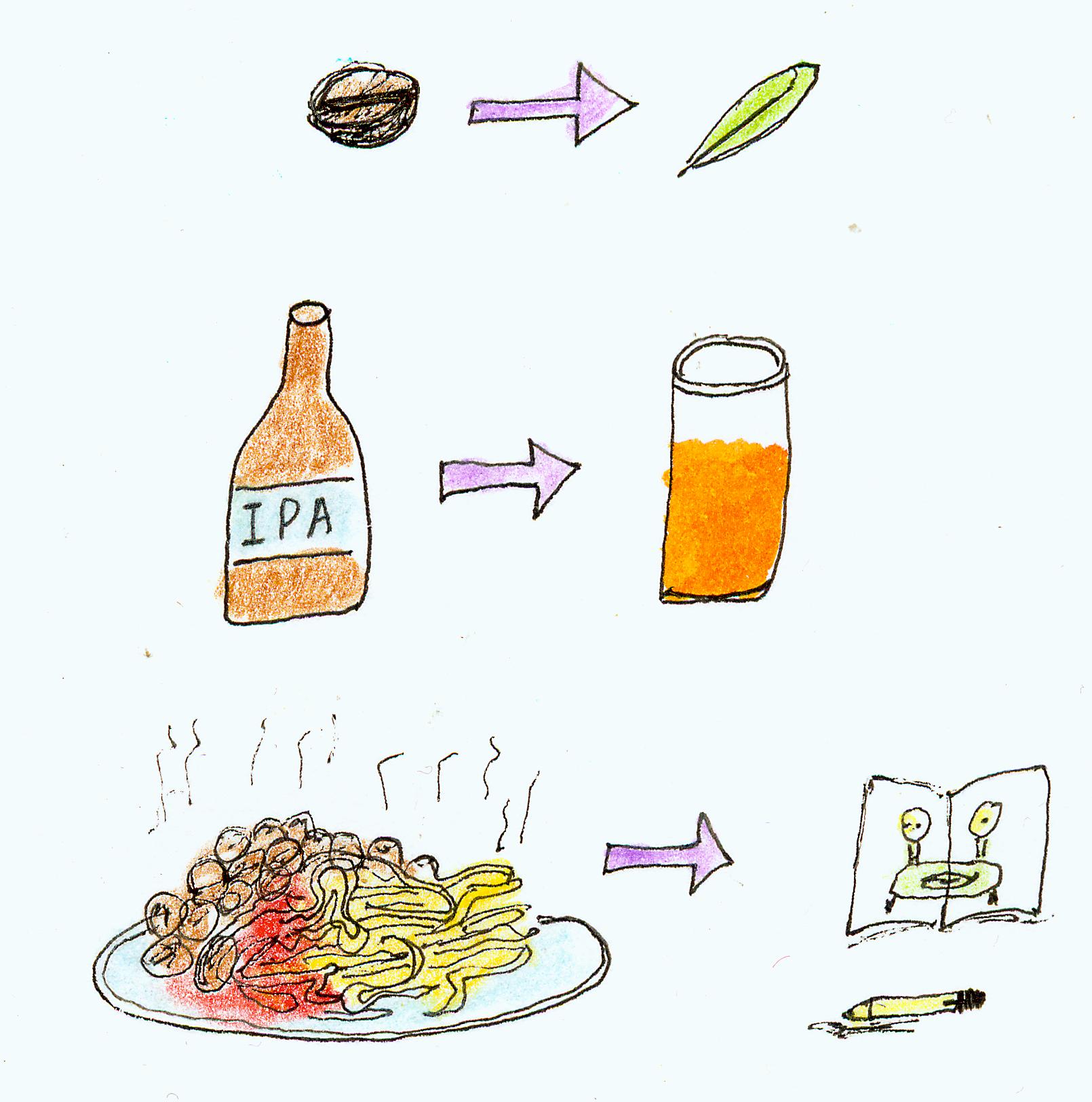
  8. Do less horrible things. Negative habits are really hard to break because there are multiple triggers at play. For instance, a cigarette smoker might be tempted to smoke every time he sees a smoker, or whenever there is stress, or whenever he drinks. One thing I’ve learned so far is replacing the bad habit with something less horrible. This is what the picture is about: replacing coffee with tea, beer with carrot juice, stress-eating with stress-drawing.

And that’s a wrap for now! Happy habit building.

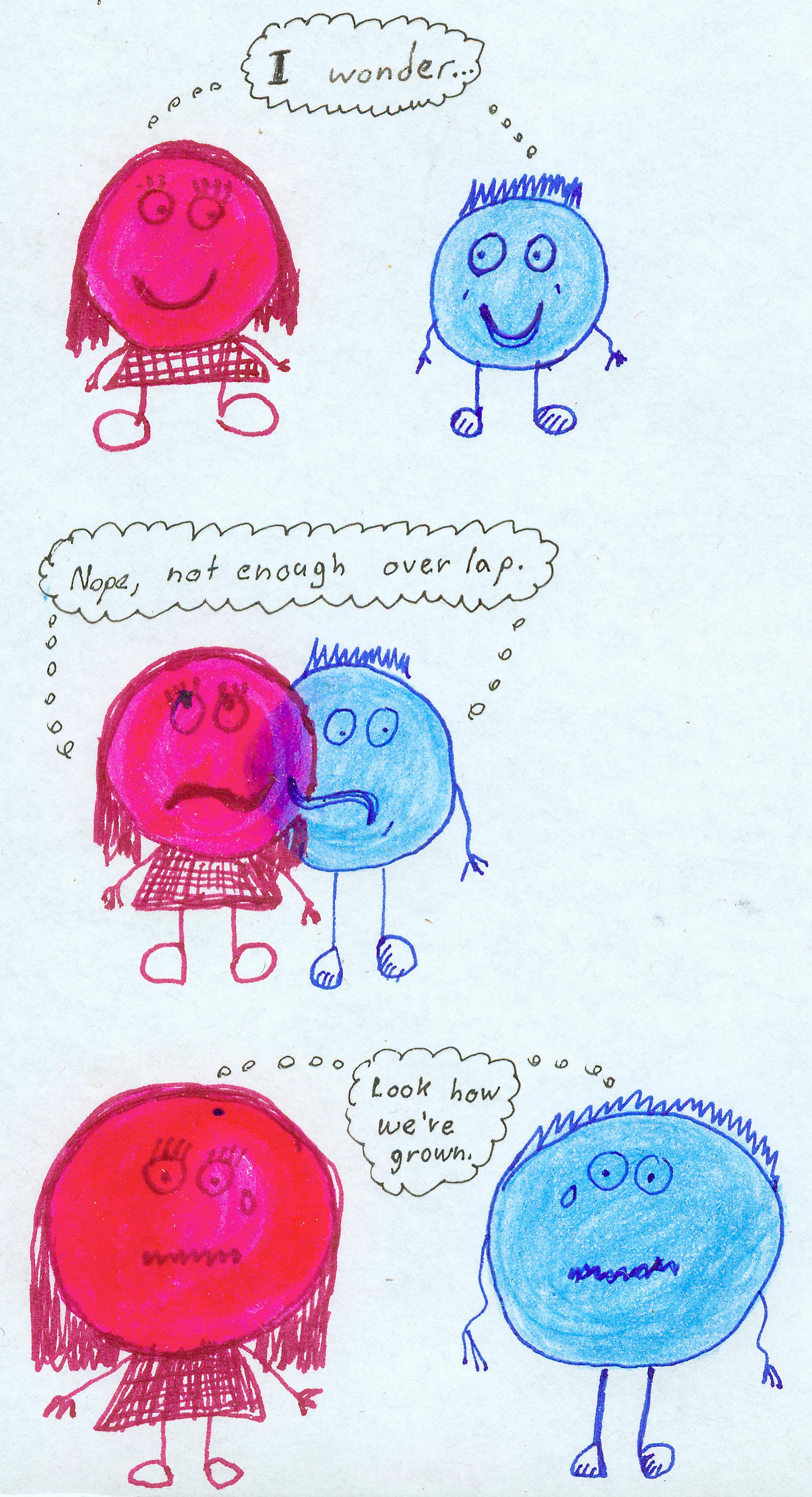
Venn Diagram Dating

venn diagram dating So dating is an emotional roller coaster, of course, of course. Here’s a little perspective that might make it a little more comprehensible, and maybe a little less sad when it doesn’t work out.

The goal of dating is to find a long-term partner that you have synergy with. That means you have to get to know someone, and get to know yourself, and see where the overlap is, like a venn diagram. Some venn diagrams overlap more than others, and the best pairs have the biggest overlap. But every pair overlaps somewhere, and disconnects somewhere. It’s just a matter of degree.

Dating is work. Specifically, the work is to figure out a list of synergies, and a list of differences. So step back and be thankful for this opportunity to learn about someone else and learn about yourself. After dating for a while, you have to go with your gut about whether long-term is in the cards. And if it is, it can’t be totally rational, either. Such a crazy thing as signing up with one person for the rest of your life requires some crazy faith to carry you through (like this story of a girl who won’t break up with her husband because he found a dollar bill that she wrote her name on a decade prior).

And if break-up happens, this is OK for two reasons:

  1. You and your partner have grown, you’ve learned about yourselves.
  2. The ultimate goal is to do good things for the universe. Now that you and your partner are apart, you are free to meet other people with whom you might have even greater synergies and do even greater things. Adopt the attitude: “If we’re not meant to be then there are other people that are better for us to fulfill our life missions, and that’s awesome! That means the world will be an even better place.”

Hope this perspective helps someone “get” the whole dating thing just a little better.

PRACTICAL TIP: With your partner, make a venn diagram of your similarities and differences. It will give some nice perspective on the relationship.

My system (new one)

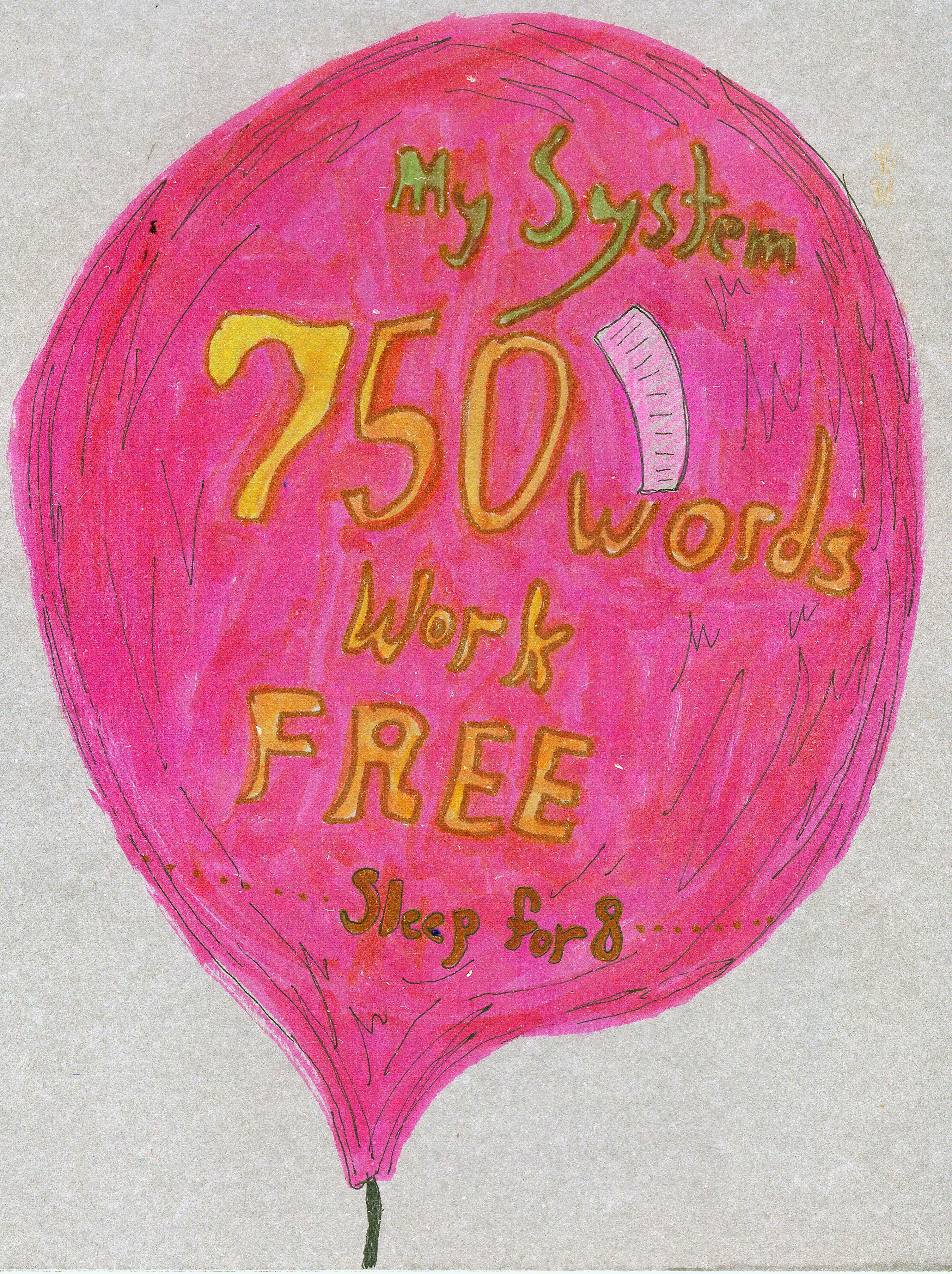
My System

So I’m experimenting with a new system for planning out my days.

First thing in the morning is to write in my notebook (if I feel like it). I used to use 750words.com but then decided that my notebook is just as good. It’s good for me to do a brain dump first thing in the morning with no judgement. Often, this helps clarify what I want to do during that day.

Second thing is work (if I’ve decided to do work that day). Work means pre-planned activities. This generally means going to a library or coffee shop. The main thing about work is that it has to be uninterrupted. Exactly zero electronic distractions are allowed. No phones, no web browsing. If I do a distraction, I pay 100 bucks to an accountability buddy. This shit is serious. (Breaks are allowed as long as they are in the 3-d world.)

Third thing is free time. This is time with no plans at all when I can do whatever I want.

Then sufficient sleep is in order.

—-

My reason for doing this system is that I get addicted to the internet and then feel guilty and unproductive. A lot of the stuff I read online is good stuff, but I shouldn’t use the internet to procrastinate. We’ll see how many hundreds I lose…

The only respectable position is a hunch

kombucha 4

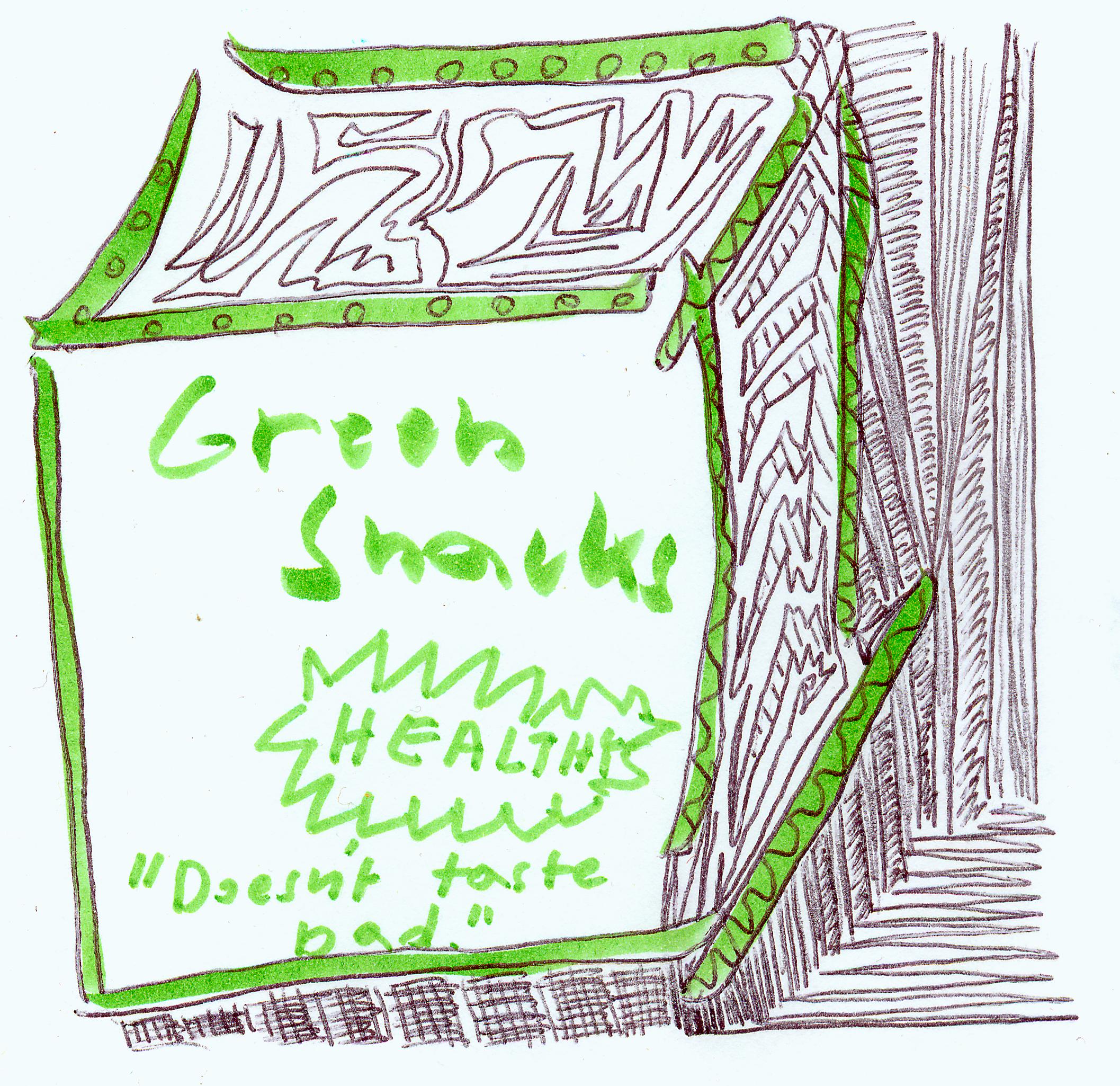
I had a guest over at my house the other day, and my dad offered her some home-brewed kombucha. She tried it and said: “I like kombucha…I hear it’s really healthy, and it doesn’t taste bad.”

That quote just about sums up dietary science for me. You have a hunch, but you can’t really test it. In medicine we run experiments to measure things like mortality improvement after a treatment, but it’s hard to run long-term experiments with food as the treatment because of logistics, money, and time.

You could do quicker studies where you see how foods affect a lab value, like cholesterol, but it’s hard to know what that means. We don’t know that high cholesterol is bad. Here is what we know:

Statins -> Lower cholesterol and improve mortality in heart disease

But this doesn’t mean that everything that lowers cholesterol is good for your health. Unless you measure real outcomes like mortality, you can’t be confident saying that something is “healthy” just because it lowers cholesterol.

I overheard this conversation in a coffee shop:

Lady: So this hibiscus tea is supposed to be good for you?

Barista: Yeah. It’s got…anti-oxidants.

Lady: They say green tea is the best for you. Is that true?

Barista: I don’t know.

That’s just how it is. We usually don’t know. Super-confident isn’t the truth.

Every day, we decide a million times what to put in our bodies, and there isn’t much science to base these decisions on. So we go with our hunches. We stay away from car exhaust, drink our kombucha, and shrug our shoulders a lot.

kombucha 3

*Healthy = We have a hunch that these snacks are healthy, but haven’t done experiments to prove this. We are a small company, and doing experiments that control diet in a randomized way over a long period of time is way out of our league.


Planetary skin care

planetary skin care One central problem with our globalized world is that immoral things get done far away, out of view. My use of this computer right now might be made possible by fossil fuels extracted from off-shore drilling of waters that I would really like to go swimming in.

Maybe the ideal future is a bunch of villages, where we love thy neighbor and we don’t take a dump on the guy halfway across the world. A smaller world, a not-so-big society. A place where we understand how the resources flow and who gets hurt and helped by our walks through life.

I’m not talking politics. I’m talking size. We all want to do the right thing, live by the golden rule. It’s just easier when things are smaller and more transparent.

Hands-dirty system

Lately I’ve been surfing a lot of internets…This has been fun, but I have the creeping feeling that I want to do things in the real world not just watch internet people do things.

My grandma said: did you see a lot of things in the hospital?

I said: Seeing a lot of things doesn’t count, you have do things, get your hands dirty.

Here is what I promise to do, every day (except Shabbat), before residency:

1. Understand medicine better. Read some medical books for an hour a day, and doodle about them for an hour a day.

2. 15 minutes of handstands, workouts, or yoga practice per day.

3. Get my hands in the dirt growing things, when the weather gets better.

I will not touch the internet any day, until these get done.

Righteousness Programming

values 1values 2

I used to resent religion because I focused on the ways that its myths were unlikely, given what I understood about science. Science seemed so pretty, so nice. It explained protein synthesis and the inter-relatedness of animals on earth.

But science gave me no real advice about how to live life. How to be a nice person, not an asshole.

The Jewish religion says that there is a godly soul and an animal soul. The animal soul wants to do self-interested things. It wants to eat, sleep, and might even want to help others (but its motivation for helping others is feeling good about it). The godly soul wants to do good things for their own sake.

In the ideal case, religion helps the godly soul shine. Its prayers and artifacts and philosophy and rules and communities are righteousness programming. Religion is the original life-coach. You bring the motivation to be good, and it helps you get there.

Disbelief in magic can force a poor soul into believing in government and business. – Tom Robbins

In the day-to-day trenches of adult life, there is actually no such thing as atheism. There is no such thing as not worshipping. Everybody worships. The only choice we get is what to worship. And the compelling reason for maybe choosing some sort of god or spiritual-type thing to worship–be it JC or Allah, be it YHWH or the Wiccan Mother Goddess, or the Four Noble Truths, or some inviolable set of ethical principles–is that pretty much anything else you worship will eat you alive. If you worship money and things, if they are where you tap real meaning in life, then you will never have enough, never feel you have enough. It’s the truth. Worship your body and beauty and sexual allure and you will always feel ugly. And when time and age start showing, you will die a million deaths before they finally grieve you. On one level, we all know this stuff already. It’s been codified as myths, proverbs, clichés, epigrams, parables; the skeleton of every great story. The whole trick is keeping the truth up front in daily consciousness. – David Foster Wallace

And hence, the twice-daily practice of tefillin.

Done with tropical vacations

nothing left to do

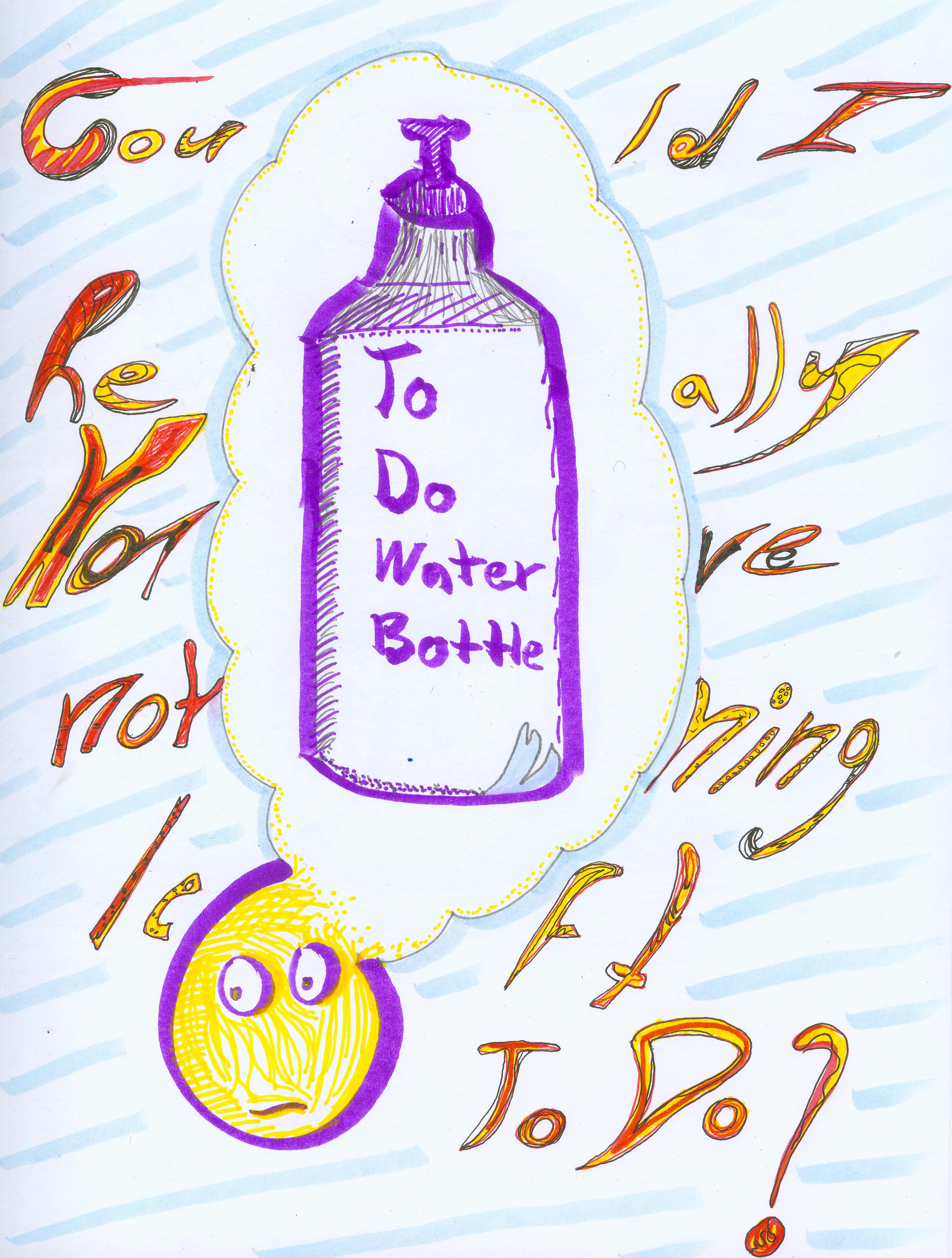
I’m at the end of 4th year of med school, and most of my “work” is done. My to-do water bottle is empty. So, what do I do? Go to the beach?

I like the beach, but I think it will be more cool to expand my brain. My brain was directed towards one thing for the past few years. Maybe I should expand types of puzzles my neurons can work on over the next few months.
working on myself

Tropical vacations are nice. It’s nice to be careless and play. But…

It’s good to take something home with you from your vacation. I remember one vacation 2 years ago I had a choice: go to Turkey and travel around, or go to an AcroYoga immersion thingy. I decided the latter because I could learn something that I could bring back with me into my daily life.

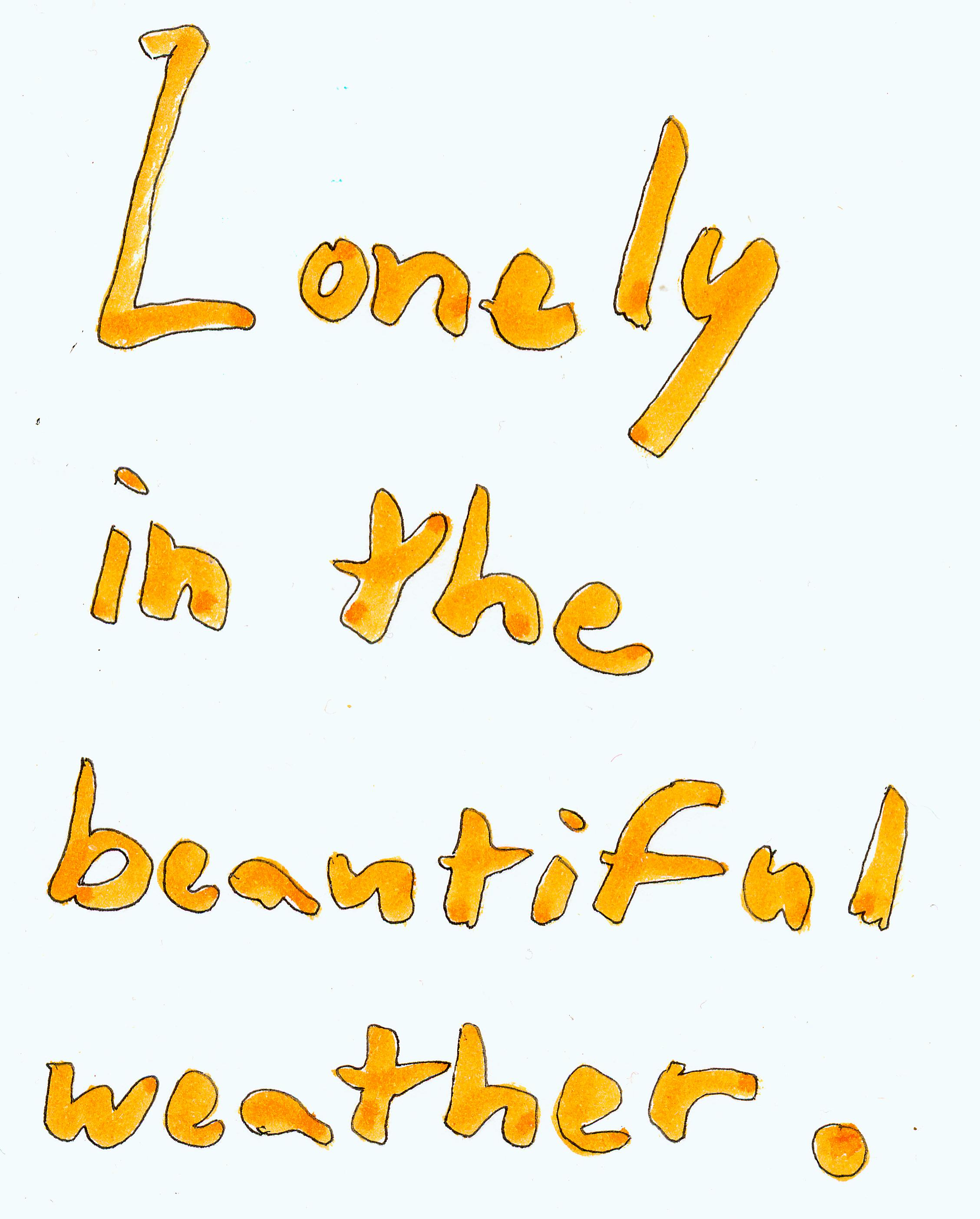
Not long ago, I was in Austin, TX. In the pretty weather, I got lonely. I wrote this in my notebook:

lonely in the beautiful weather

In cold-dreary Buffalo, a tropical vacation provides a sweet chemical pick-me-up. But pure escapism ‘aint good. It’s nice to use vacations as opportunities to develop parts of yourself you don’t normally get to develop.

Can we all just help each other?

values 3

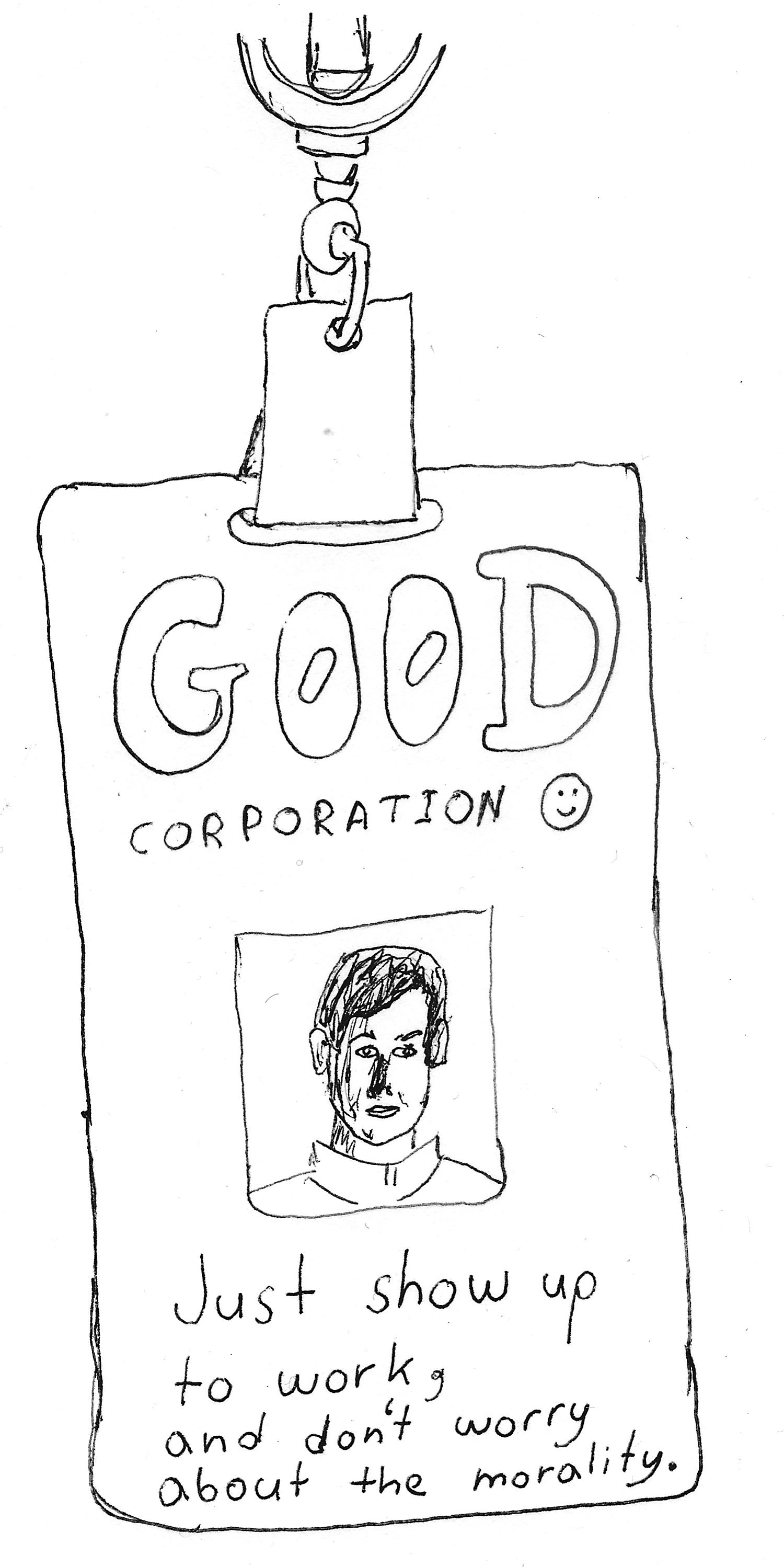
I wish I worked for Good, Corp, where I could just show up to work and be confident I was doing good for the world.

For years I’d thought about working for a non-profit company…At long last I landed a job with a non-profit healthcare provider. It didn’t turn out to be much different from the for-profit sector…A few weeks ago I was in the elevator with a manager who has worked there for years. She was practically giddy about the layoffs: she said they’d make the non-profit more efficient, which would enable it to fulfill its mission statement more effectively. Here it was again, the mantra of shareholder value in a new form. As long as organizations serve abstract ends rather than flesh-and-blood people, it doesn’t matter whether those abstractions represent stockholders, customers, or even the common good. Work, Crimethinc (Bold-ing mine)

Abstraction is the problem, not capitalism, not communism, but serving abstract ideas rather than real people.

The news is mostly fear and voyeurism

the news

I was stuck in an airport with CNN blaring on the TV, so I wrote down the news stories in that hour-long period, many of which centered around voyeurism and fear. These were the stories during that hour:

Voyeurism:

  • Woody Allen sex abuse scandal.
  • Phillip Seymour Hoffman death.

Fear:

  • Is Obamacare bad for the economy?
  • Woman loses second son to guns in 19 days.
  • City sues online meetup site.
  • Chemical spill in West Virginia.

After an hour of watching the news, I was over it, because:

  1. I feel powerless when the news tells me, rapid fire, 10 bad things in the world. Most of the time, being aware of all this stuff just clouds the brain. This perspective is not “head in the sand,” it’s keeping my neurons available for the stuff I have power to affect.
  2. Just because there are horrible crazy people doesn’t mean I need know about every last one. Being aware of all of them will make me scared to do things that I think are perfectly safe (e.g. Couchsurfing).
  3. With the internet, I can track things I care about without ever clicking on CNN.
  4. Of all the things that happen on earth in a day, the news curates those that will grab attention and sell ads, not what is actually most important.

We just watched the nightly news, blah, blah, blah, what wars we’re winning
and all this left wing right wing left my head spinning

Alex Mead, an awesome musician from Buffalo

Religion and Bikes

spirituality bicycle

With bikes, some people will:

  1. Buy their bike pre-assembled and will go to an expert to fix it.
  2. Buy their bike pre-assembled and will fix it themselves.
  3. Assemble their bike themselves from parts of their choosing.

With religion, some people will:

  1. Stick to their religion dogmatically, and go to experts for guidance.
  2. Stick to their religion, but think about it for themselves. They may stray from dogma if the dogma doesn’t work for them.
  3. Study many religions and try to find the parts that work for them, to create a personal spirituality. The kid in the picture is doing this.

I’m somewhere between 2 and 3. I need to think about things for myself.

Puzzle time: How many different religious symbols can you spot in the picture?

Internet girlfriend

using the internet to get a girlfriend

I was watching March of the Penguins and the mating sequence came on – penguins standing in line, approaching each other, then moving on, until finally finding mates. Morgan Freeman’s voice over said: We don’t really know what they’re looking for in a partner. We only know that they are, in fact, looking.

I thought it would be awesome to put footage of people going on dating websites in a split screen with the penguin footage. I don’t have the energy to embark on such a project right now, so please accept this cartoon as a substitute.

Circle of Life Escalator

circle of life escalator

I stayed with a Couchsurfing host in Albuquerque, New Mexico who was a farmer. We got into talking about technology and he told a story of a Native American chief, a Pawnee, meeting a white guy. The white guy was showing off his gun, and the Pawnee said: why do I need that when I have my knife? He then used the knife to butcher an animal very efficiently.

The Pawnee was not quick to adopt a new technology because the old technology was plenty good, and the effects of a simple technology like a knife are much easier to predict than the effects of a complicated technology like a gun. Western culture is interested in the “what” of technology. We introduce new tech super-fast and call it progress. Other cultures are more interested the effects of technology. They are slower to let new technology in.

A few hours after this conversation, another Couchsurfer came. This guy was driving across country to move to the Bay area. He wanted to make it as an entrepreneur, and he was filled with a bright excitement that technology will change the world.

He told a story of how someone broke into his car and stole his backpack from his trunk. His solution was innovative: he wrote a script that scoured craigslist for the stolen backpack. Amazingly, he found it, and then used his script to recover other things this guy had stolen.

Technology can do neat things, but it doesn’t change the basic facts: we’re humans, we live, and we die. Our molecules go into the ground and become other things.

My host had a composting toilet, which I thought was a cool reminder of the circle of life. It’s easy to forget about the circle of life when you live in the modern world and spend years without touching the earth.

I drew this comic as an imaginary conversation between the farmer and entrepreneur. The farmer is on an escalator, which symbolizes the creation and destruction of life as it goes up and goes down.

Two Modest Mouse quotes:

  • Someday you will die and someone or something will steal your carbon. (Parting of the Sensory.)
  • So we carried all the groceries in while hauling out the trash and if this doesn’t make us motionless I do not know what can. (Spitting Venom.)

Well, motionless for a while, but we age and we die. The high we get from technology is cool, but life is interconnected and circular and, despite what the transhumanists say, I think will stay that way for a long, long time.

Little Jewish Brain

Little Jewish Brain

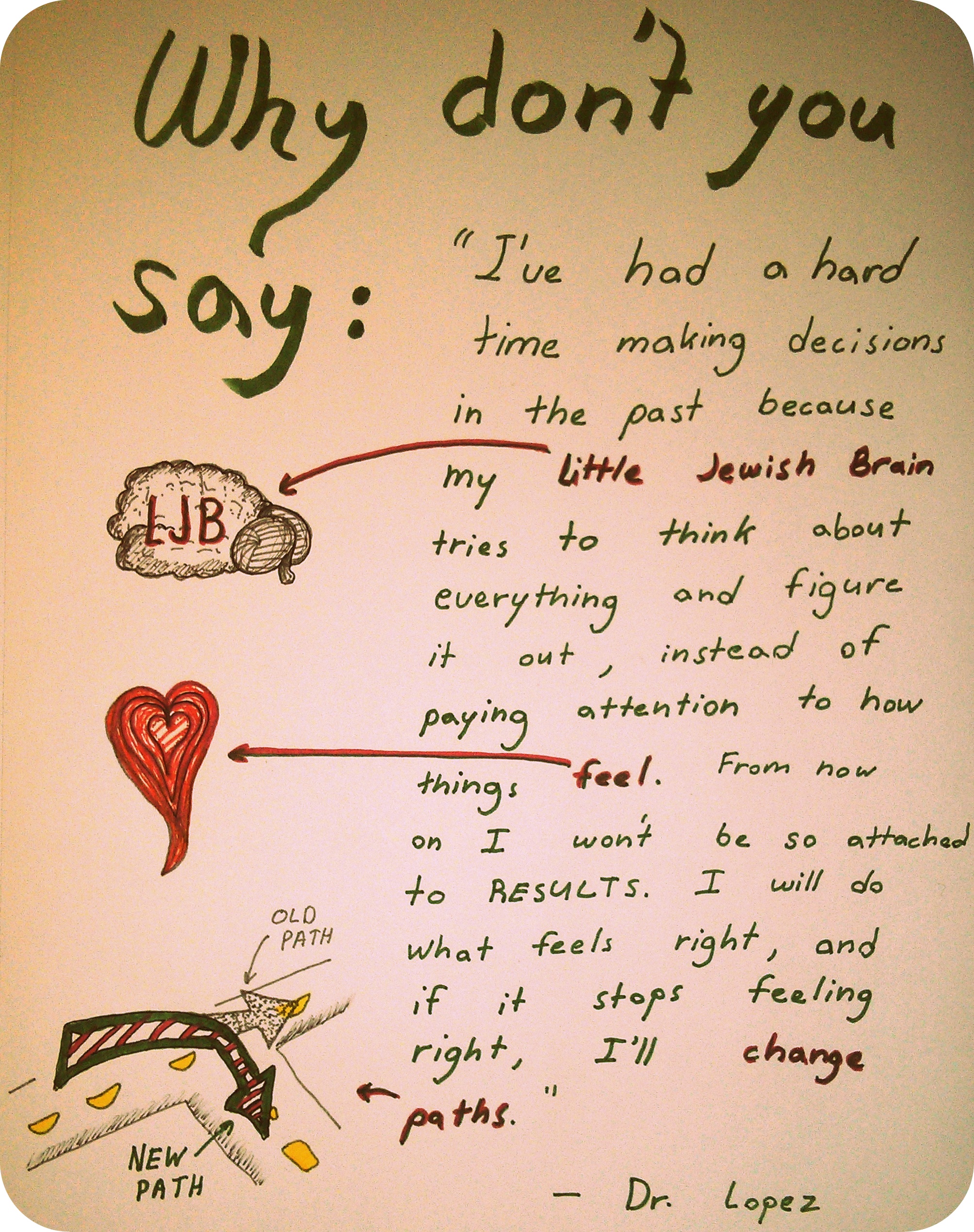
I said that I had a hard time making decisions, and Dr. Lopez, my couchsurfing host, said the quote above. She actually amended her quote to be: left jewish brain, since the left brain is apparently the judging, analyzing brain. “I don’t think you have a little brain,” Dr. Lopez said.

No matter if it’s left or little, it’s something to work on. Learning how to feel is a hard thing to do.

The most important part of a pullup

This is my first workout video, whoooooo!

The most important part of a pullup is not pausing to hang at the bottom. Pausing at the bottom causes inertia, tires you out. It actually gets kind of addicting to try to go down and up without a pause.

This can be applied to other repetitive exercises such as pushups, situps, etc.

A side note: my dad made this pullup bar. Isn’t it sweet?

Osmolar Gap

osmolar gap

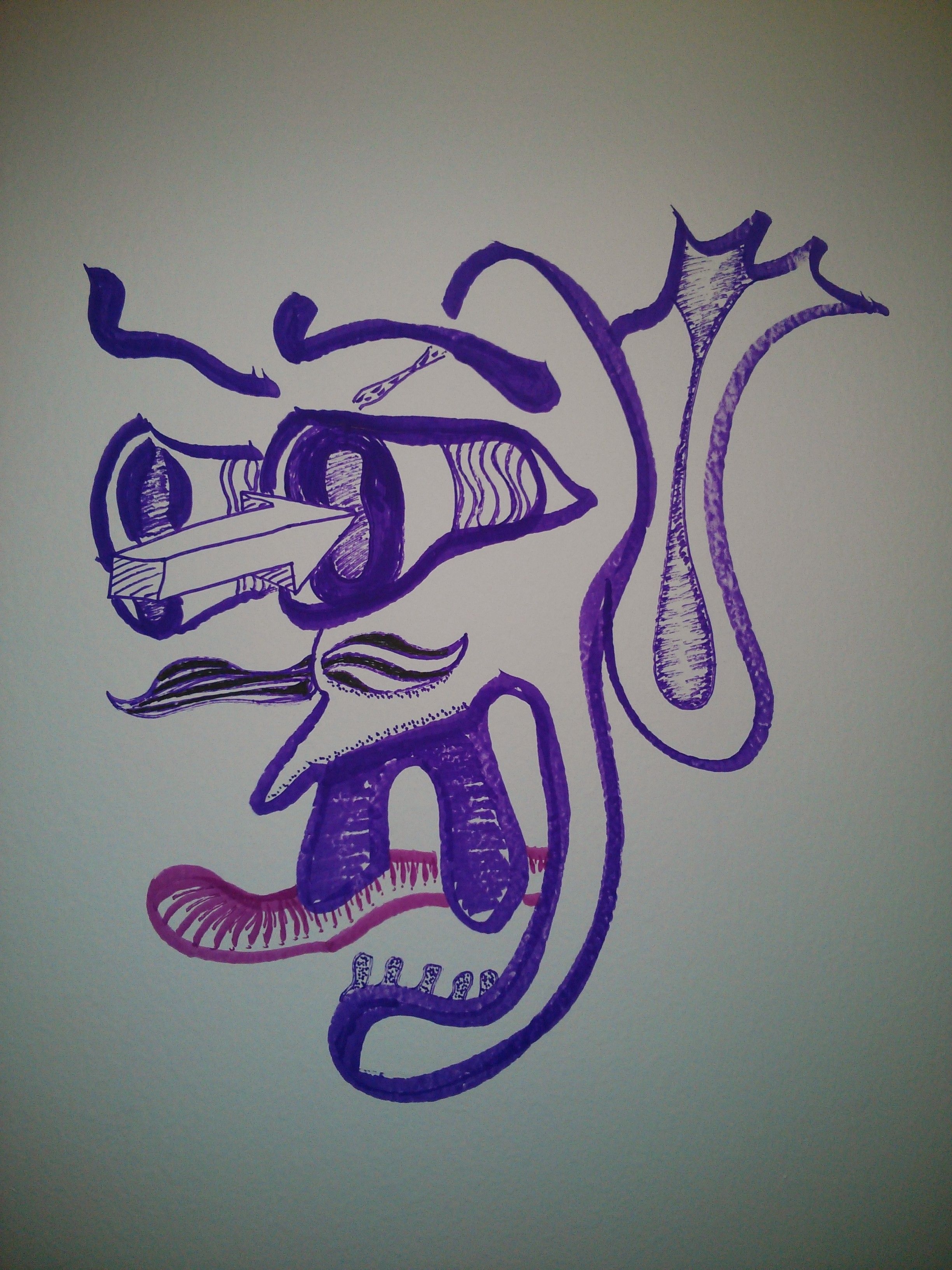
If the anion gap is high, check osmolar gap.

Measured osmolarity is determined by freezing point depression of plasma. The more stuff plasma has dissolved in it, the lower the freezing point will be.

Calculated osmolarity is calculated by the formula 2Na + Glucose/18 + BUN/2.8 (these 3 are the major osmolytes in the plasma).

If there is a high difference between these values, it means there are osmolites present which are “imposters,” not physiologic. These can be:

  • Alcohols (methanol, ethanol, ethylene glycol, acetone, isopropyl alcohol)
  • Sugars (mannitol, sorbitol, glucose)
  • Proteins (gammaglobulins)
  • Lipids (triglycerides)

This is something I’m still learning about, but wanted to post to motivate myself to keep learning. Check back in a little while for a more complete explanation. Specifically, I’m still unsure of which causes of high gap acidosis produce a normal osmolar gap.

Travel though the desert with just a pack of cigarettes

This post is a bit of an ode to an apartment-mate of mine named Tristan.

I was 22. Tristan was 27. He worked in a neuroscience lab, smoked cigarettes, drank gins and tonics, had parties, dressed stylish. He was french and had an awesome accent. One time, I was cooking eggs at 5am and burned them. The smoke detector went off.  Tristan got up and slammed the smoke alarm with his open palm like it was a volleyball. It shattered and pieces fell to the floor. That was the end of that problem.

I asked Tristan what he wanted to do after he finished this neuroscience gig. Tristan said, “I want to travel through the desert with just a pack of cigarettes.”

This image sticks with me. The other day, I was in the airport. I overheard a girl say on the phone: “I land at 2pm. Don’t worry about picking me up fast. It’s no rush.”

On the plane, I was reading a book about mindfulness and the author said that it’s possible to do things fast but mindfully, not in a rush. The difference is that when you are in a rush, you are all scattered and stressed. When you are doing things fast, you are focused like a beam of laser light.

I drew this picture:

rush vs. fast

I had a layover and ate my greek yogurt and granola concoction. I ate it way too fast. You could say it was a rush. Just after finishing my little life-coaching book and drawing, I inhaled all this greek yogurt because of some vague fear of not finishing it in time for my flight.

I look at birds and how they fly through the frigid skies of Buffalo. They’ve got nothing to their name, not even a pack of cigarettes.

We can be free if we let ourselves be free. Jew fast, birds fly, Tristan smoked and traveled. There isn’t a one-size-fits-all answer for everybody, but freedom from vague fears is a great thing to experience.

Thanks, Tristan.

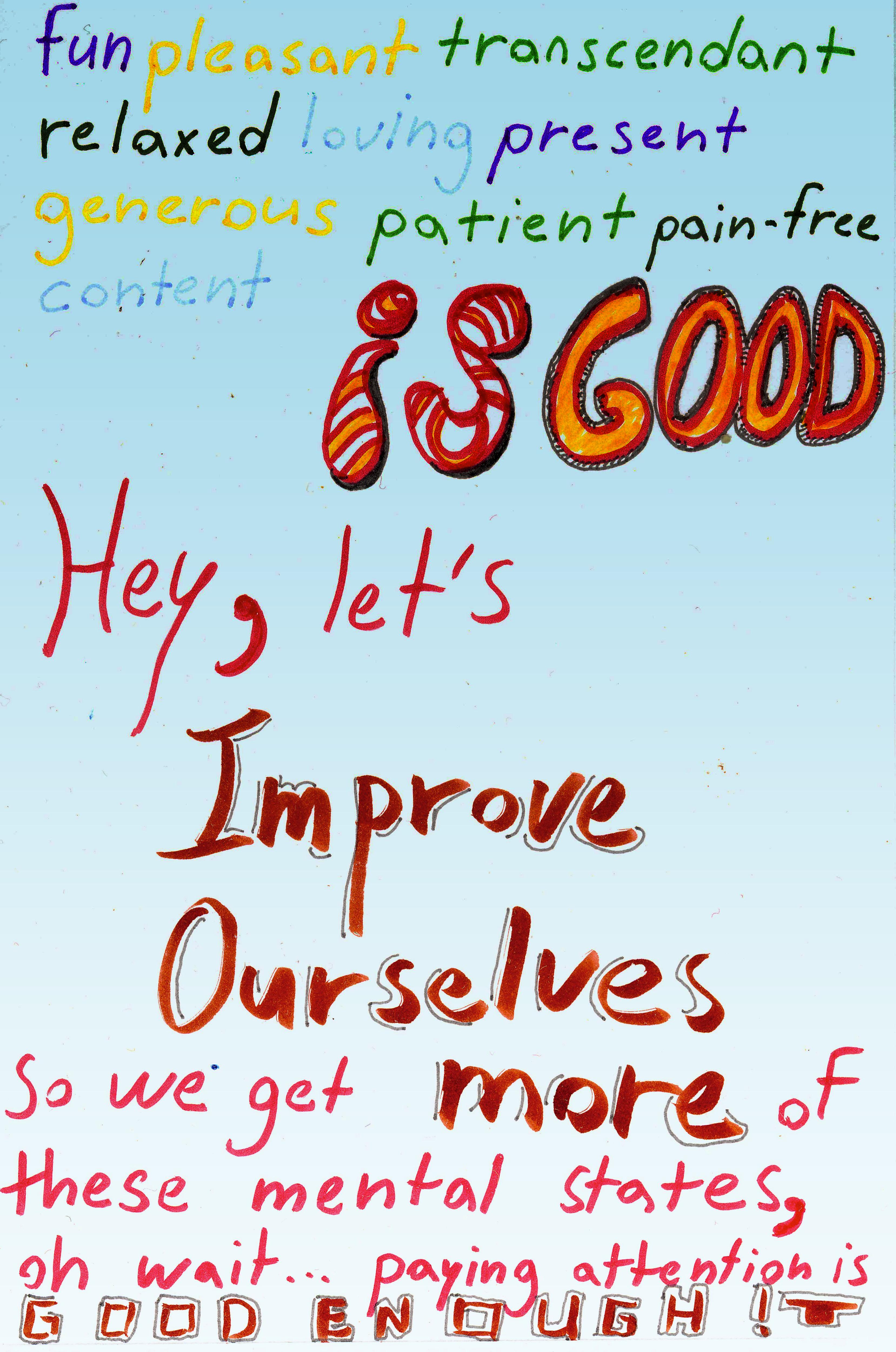
Paying attention is good enough

One day, I got out a little notebook and said to myself: “I will write down every emotion I have.” For the next 5 hours, when I had an emotion, I would write down what it was and what I thought it was caused by.

The raw data looked like this:

Emotion Cause
Admiration Watching my mom have a lot of self-control while talking on the phone to a family member.
Amazement Looking at a single color of paint with two different backgrounds, and how the color looks totally different.
Anger
  1. Being on the internet too long.
  2. Not closing the bathroom door to prevent paint fumes from getting into the house (my parents had just painted the bathroom).
  3. Looking through my high school yearbook and remembering how I wanted more pictures of myself in the yearbook, and how petty this was.
  4. At mom for taking too long to bring me a t-shirt when I wanted to leave the house.

And so on, for many more emotions. Then I plotted the data in the pie-graph below. The percentages in the graph come from counts in this table. For example anger has a higher percent than admiration or amazement, since it has 4 counts in the table above.

Emotional Birdwatching

Now, what was I trying to accomplish with this exercise?

I thought that by tracking the causes of my emotions, I could notice patterns and reduce bad emotions.

But then I came across this book: Wherever You Go, There You Are.

This book is about mindfulness, and it made me realize that I had misunderstood the point of mindfulness. The point of mindfulness is not to get “better” emotions, the point of mindfulness is simply more mindfulness, more awareness of the present.

I’ve got all these flavors of emotional bubble gum. I cycle between different flavors as the day goes by, often without noticing the flavors I am chewing. Mindfulness says: don’t worry about trading for better flavors, just pay attention to the flavors you are experiencing right now.

Figuring out ways to “hack” happiness, searching for the ultimate cocktail of good weather, close family and friends, a loving partner, ect., now seems like a recipe for always striving, always grasping.

paying attention is good enough

I used to think that the addicting things in life were the problem. I would get addicted to facebook, or binge eating, or whatever, and think: if only I downloaded a facebook-blocking app, or hid the food, I wouldn’t get addicted. But the real problem wasn’t the addicting thing. The real problem was (and still is), the inability to sit and breathe and stare straight into the knots in my soul.

For meditation to do its work, we have to be willing to do ours. We must be willing to encounter darkness and despair when they come up and face them, over and over again if need be, without running away or numbing ourselves in the thousands of ways we conjure up to avoid the unavoidable. -Jon Kabat-Zinn

After going on facebook yesterday, I paused, and breathed and asked myself: why am I doing this? Am I here because I truly want this kind of entertainment right now, or am I trying to run away from something?

And so begins a lifetime of sitting and staring at soul-knots.

Keep mindfulness alive even in the darkest moments, reminding yourself that the awareness is not part of the darkness or the pain; it holds the pain, and knows it, so it has to be more fundamental and closer to what is healthy and strong and golden within you. -Jon Kabat-Zinn

Money Sweater (a belated Jew Christmas story)

dollar sweatshirt

Three Jews and one agnostic went hiking on Christmas, and came back and were having Chinese food, when a lady came up to our table.

Lady: Can you donate for the victims of the Typhoon in the Philippines?

Me and 2 others: No.

Carl: Sure.

After Carl gave her money and she left, we started philosophizing on the pros and cons of donating to this lady who so rudely interrupted our Jew Christmas dinner.

Then Carl said: Even if she is going to just use the money for herself, that’s fine. I just think, I won’t get a beer the next time I’m at a bar.

And I said: You’re right. Even if I gave money to every single person who asked, that would come out to what, $20 bucks a month?

For the past few years, I’ve been pretty stingy with giving money to people I didn’t know. You know, the standard thoughts: I don’t know what they will be using the money for, I won’t end homelessness by giving a dollar, I’d rather donate to a real, organized charity… But in the end of the day, I feel stingy despite my justifications. It’s like the quote from the Dalai Lama: Be kind whenever possible. It is always possible.

The next day, I was walking down a street and went into a clothing shop and saw absolutely the best sweater ever. The way I judge any clothing is softness, and this sweater was super soft. Like the softest sweater in the entire world, probably. I really wanted to buy it. But then I thought of the dinner last night. If I didn’t buy the sweater, I’d feel free to give people change here and there. So I constructed a mental sweater out of the $40 I would have spent on this sweater, and every person who asked me for money that day, I gave.

So yes, I’m not solving homelessness and this is largely for the mental benefit of myself, but that’s good too. It is building the habit of giving. Maybe one day, I’ll be able to give even more. Come to think of it, my current sweater is good enough. I kind of like it.

——

P.S. A dollar was injured in the making of this comic.

People are magical

people are magical

Three snapshots from my life:

1.

I was driving down the road with a few friends I had met on couchsurfing, coming back from a trip to the forest outside San Francisco. We passed a large SUV, and in the window was a blonde-haired woman putting on makeup. Her husband was in the driver seat and the kids were in the back.

Matt: That’s a Marin family.

Me: What does that mean?

Matt: Marin is where people like that live. 40-year-old housewives with blonde hair and a lot of makeup. Husbands who are well-off. Kids, nice houses, big SUVs.

2.

I was having some food with Tanner, talking about his job in a produce store.

Me: How do you like it?

Tanner: The physical work is good, but dealing with people is tough. I used to like people before this job, but now I hate people. I am always listening to people complain about their produce.

3.

I stepped out of a contact improv class taught by Scott, and saw Nancy. I looked at the cool foldable bike that was in the lobby, which belonged to Scott, and I thought about how good of a teacher Scott was.

Me: I love Scott. He’s magical. He’s like an alien from another planet.

Nancy: I know!

—–

I think all people are magical. Maybe we don’t see the magic in them because we have judgments towards them (story 1), or are not catching them in the right moment (story 2). I think we need to take the perspective of wildlife photographers, who stalk an animal for months, waiting patiently for a magical moment to reveal itself.

The doodle is of Scott, with the magic behind him. He’s in his element as a contact improv teacher. The Marin woman and the complaining produce customer probably have magical moments too.

—–

Check out this relevant song from Kimya Dawson. It’s one of my favorite songs.

Follow your heart friends

follow your heart friends

I have thought about the purpose of friendship on this blog before (here, here, here and here). Now I have come to a new conclusion about the purpose of friends, which is:

The purpose of friends is to help you follow your heart.

I was hanging out with my friend Ariel, a farmer, a few weeks ago, when she said to me:

Ariel: It sounds like you are having trouble following your heart.

Hell yes, I thought. I wished I could knock these ideas out of me: you need to make tons of money, be prestigious, etc. Hit them really hard and see them on the floor.

Ariel: My mom said, how will you make money as a farmer? I said, I don’t know, but I am surrounded by a community of people with similar values, and that’s important to me.

Me: How did you get into farming?

Ariel: In college I met a bunch of anarchist friends, and some of them were into farming.

Me: What if you didn’t meet those people? What if you went to a college without people like that?

Ariel: I’d be a very different person.

“Follow your dreams” is the goal, but usually I have no idea about how to:

  1. Figure out what those dreams are
  2. Figure out ways of following them, especially where there is no blueprint in place.

Sure, there have probably been a few courageous people like Einstein who set out to sea simply following their dreams, but I think most people had a network of friends or colleagues that made their crazy ideas accepted and gave them blueprints of how to do things.

Ariel: You should volunteer at an urban farm one day a week, just to get your hands in the dirt.

Maybe I will. And maybe I will start thinking of my friends not merely as people to go out to dinner with, but as people who will help me do the things that I want to do.

Escape from Flatworld

I was visiting New York City and having beer with a friend in a bar. I went to the bathroom and when I was in there, I thought of my phone. Could there be a new text? I should check.

flatworld 1

You see, I was in the midst of an epic texting conversation. I was wondering if another installment been delivered.

And immediately, I resented this thought. Why couldn’t I go to the bathroom and interact with the 3-D world, and not get pulled into flatworld, the 2-D world of texts and screens. I was already spending so much time in flatworld. And now, even in the bathroom, I wasn’t free of its clutches.

Then, as I was urinating, I had a thought.

flatworld 2

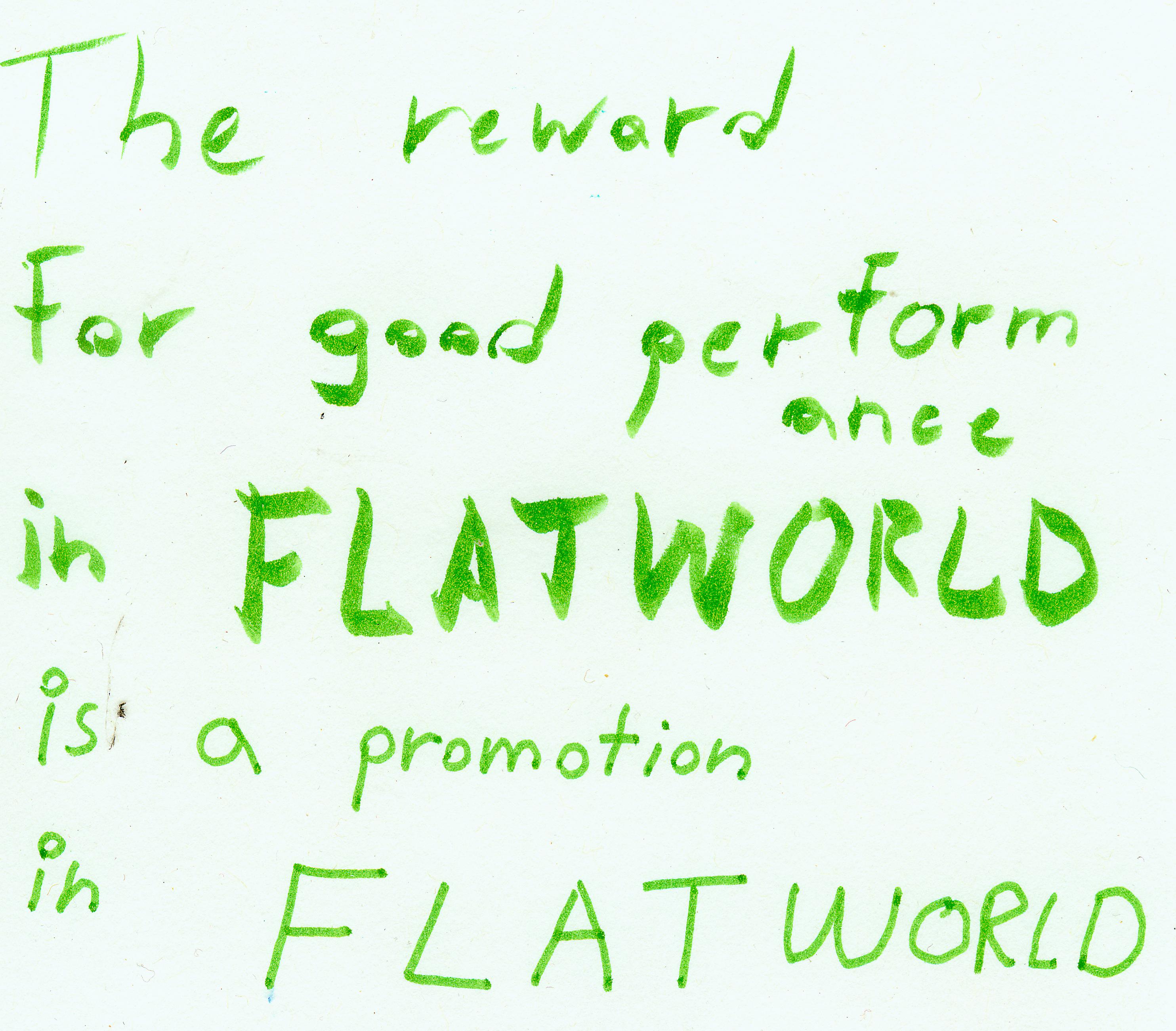
Flatworld was a big conspiracy. Flatworld was sucking me in. It wanted me to keep interacting with it. More emails, more updates, more screen-tasks. And the reward for sending texts was even more texts.

flatworld thoughtI longed for the the 3-D world. I was a 3-D person, but I had spent the good part of the past several days, and last several years, in flatworld.
I wanted to be an animal again. Interact with real 3-D objects. The cat at the apartment I was staying in didn’t know how to navigate flatworld. As far as I could tell, this cat was a happier, less anxious, creature than I was.

I was done with flatworld. I was angry. I would never break free of flatworld unless I took some drastic measures.

It was time to carry through with my idea.

flatworld 3 flatworld 4

Well, I didn’t actually do that, but that’s what I felt like doing. My dad doesn’t have a cell phone and says: I try not to do stuff on the computer at work, as much as I can avoid it.

I get it. Playing flatworld will never lead to an escape from flatworld. Escaping flatworld requires not playing.

—-

Practical tip: I’ve been putting my phone in airplane mode, so that I don’t check it for texts.

P.S. To make this post, I spent about 4 hours in flatworld. Hopefully, the ideas in this post will get me away from flatworld for more than 4 hours.

P.P.S. It’s fun to drive my car with phone and radio off. I can zoom and zip and exist in just the present spot, nowhere else. I have no anxiety about checking my phone at red lights or changing radio stations. What fun to be part of the 3-D world!

Neuroscience Chocolates

Neuroscience Chocolates

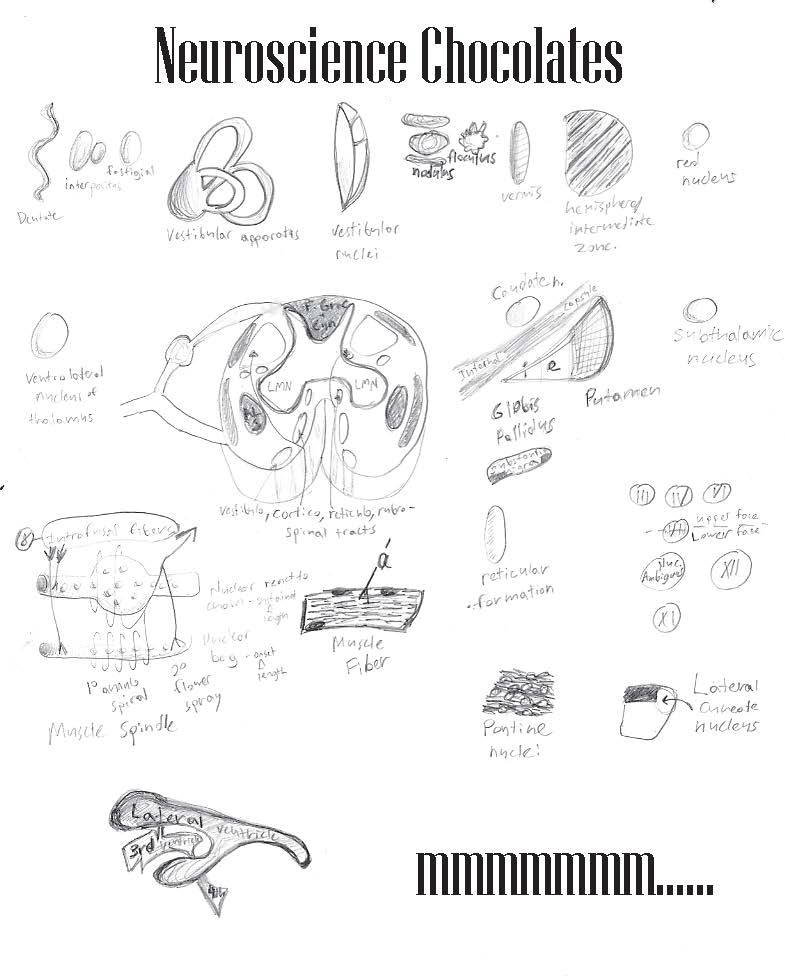
The brain is made up of all these parts! It’s not really useful to know their anatomy for a general citizen who is just trying to use their brain well. Who cares that your happiness is physically a little lima bean located towards the front and bottom of the brain? Still, it’s kind of cool that our brain has specific parts that do specific things. The function of some body parts (bones, the heart) is obvious, but neurons don’t give their secrets away just by how they look.

Movement Research

movement research

“For this exercise, close your eyes. Wherever your body wants to move, go with it. You are doing research on your body movement.”– Scott, contact improv teacher

Mantras don’t do it for me. I can know the truth in words a million times, but repeating a mantra in my head generally doesn’t help get me out of an anxious state.  What helps are physical tools.

It’s nice to do Scott’s exercise and let the body take over. If my shoulder pulls me that way, I’ll go that way. If my legs get weak, I’ll fall to the ground.

But doing this “movement research” in daily life is tough. There aren’t that many spaces you can go to roll around on the floor without people looking at you funny. Also, it’s tough to make time for this kind of thing when you are busy. That’s why I go to things like contact improv and acroyoga – they provide the time and space for free movement.

My friend Kristin said: “Yoga is not competitive. The only competition is how well you can connect your mind to your body.” Wild animals have a much better mind-body connection, I think. Just look at how a cat or dog moves, compared to a creaky person, especially after that person has been sitting for a while at a computer.

For much of life in civilization, the body is being whipped by the mind, like a horse by a rider. It’s nice sometimes to let the horse roam free.

The 4-hour work week is not desireable

the 4 hour work week

I was listening to this guy Tim Ferriss’ book on tape called “The 4 hour chef,” and I am hella not a fan. He peppers his book with interesting tidbits (e.g. you can use dental floss to cut a cake!) that kept me listening, but after finishing the tape, I felt dirty.

Now I see the reason: he advocates shortcuts. As Richard Feynman said, “There is no royal road to mathematics.” If you want to do something well, you have to put in tons of hours into experimentation, learning. There are no shortcuts. And that’s OK.

Even if you win the lottery or develop the perfect low-effort internet business that brings in tons of money, you still have to do something with your time. And if you take that something seriously, then guess what? It’s work.

Coping

Copy (2) of coping

This doodle has kind of a funny history.

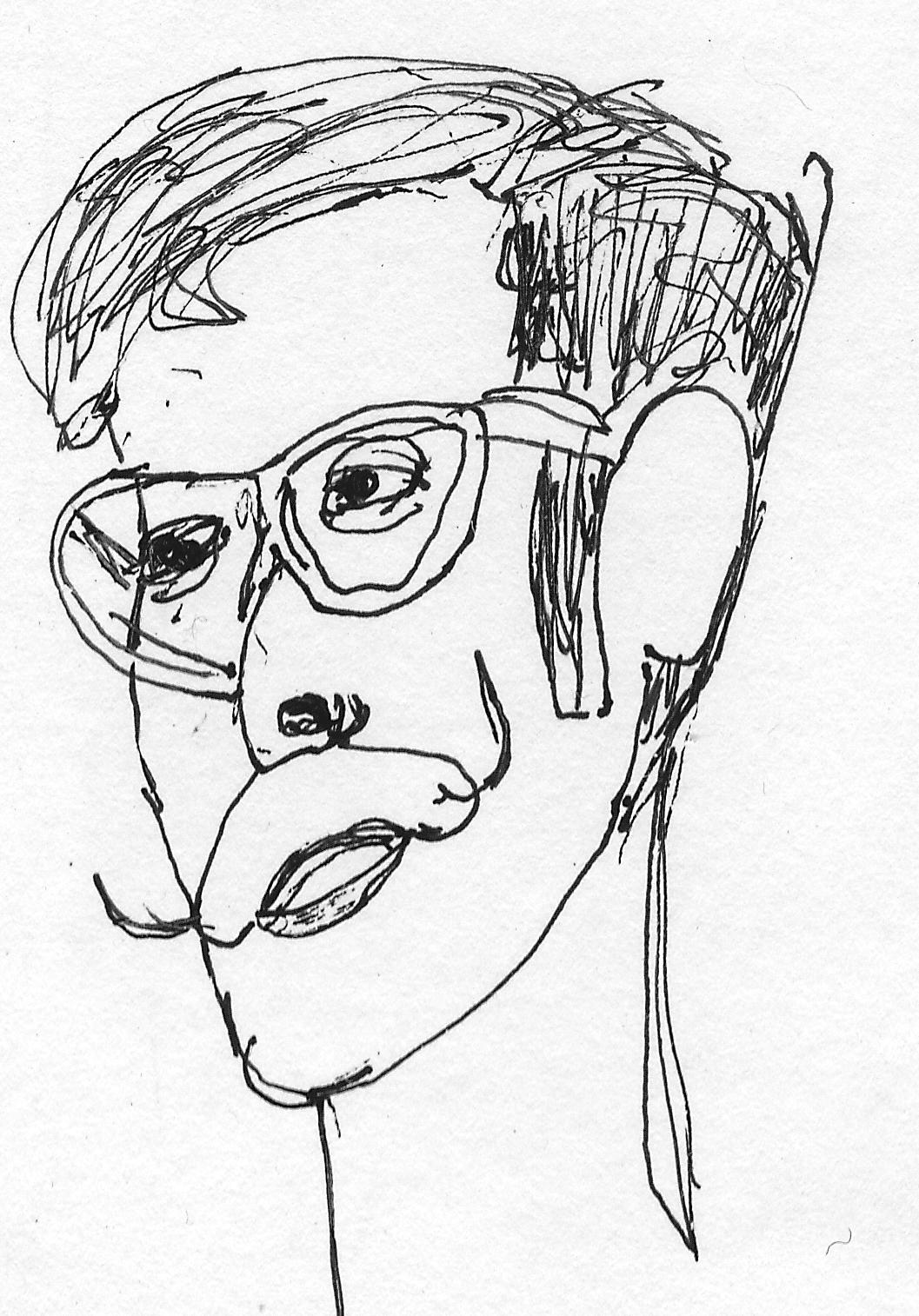
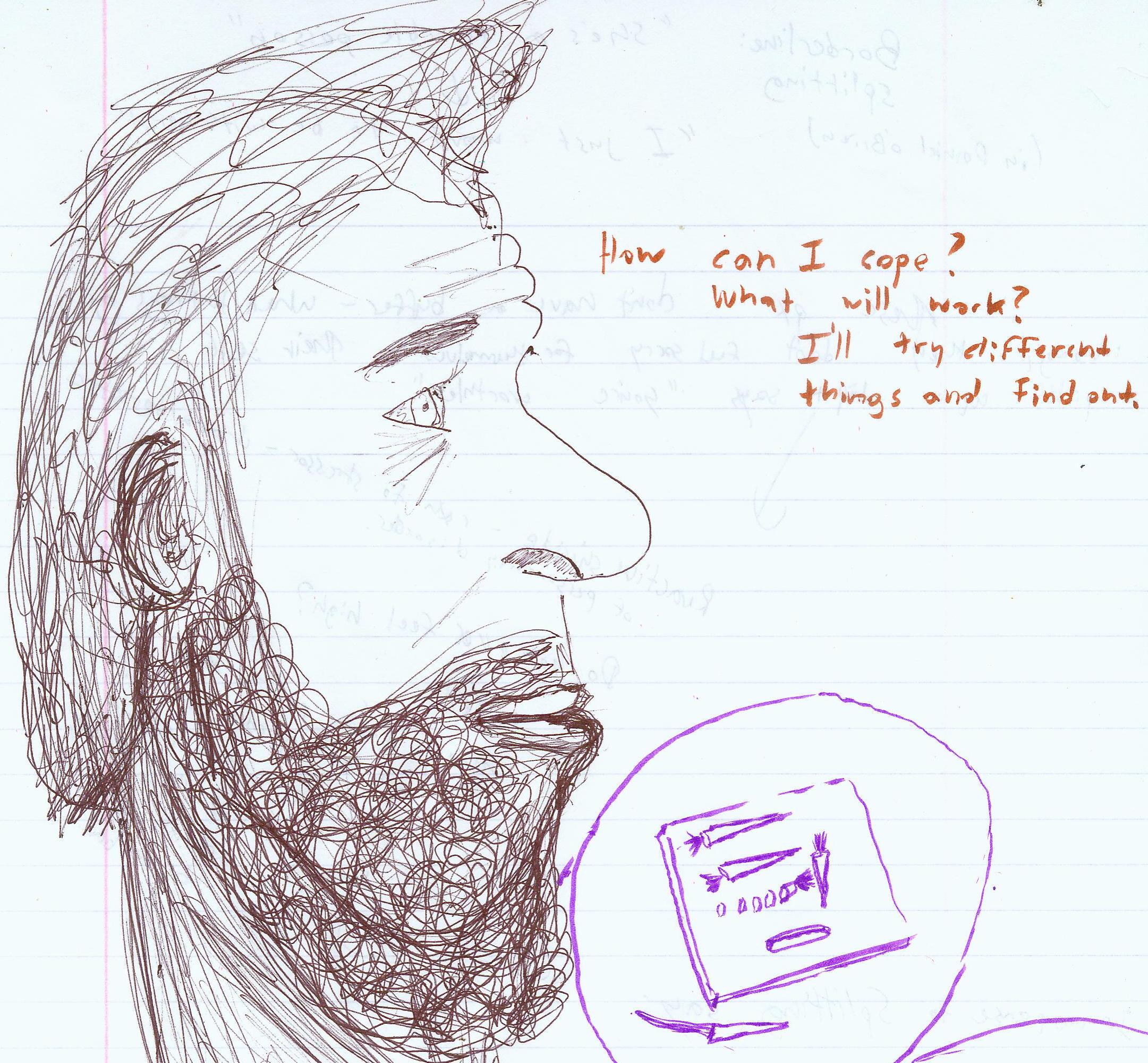
I was sitting in a lecture, doodling my classmate. Then I got self-conscious and realized: what if he noticed and thought I was majorly creepy? So I drew a beard onto the picture, and different hair, to camouflage it.

In general, what was going through my head at the time was that I had sent a text to a friend that was a joke, but in retrospect wasn’t very funny, and I was starting to think it could be construed as kind of offensive, and I was really getting sad about the whole thing. I was thinking of coping mechanisms to do to ease the psychic pain, such as chopping carrots for a salad (the crude picture in the purple circle).

Coping mechanisms sometimes work, but sometimes they don’t. We don’t have perfect control of our feelings. Looking back on this drawing, it was crazy for me to remember how bad I felt about the little texting incident, how real my despair was in that moment, and now, how little I remember of it. My friend ended up not being offended at all. If I didn’t have this doodle, I’d probably have forgotten the episode entirely.

Life is made up of tons of little despairs, and we do our best to cope, but emotional lows and physical lows have a lot in common. There’s stuff you can do and it might help, but it’s not all in your control.

—-

Some of these thoughts were inspired by Allie Brosh, her NPR interview and two comics: Depression Part 1 and Depression Part 2.

—-

A good book about coping is Adaptation to Life. It’s a remarkable study of a group of men from age 18 to old age, and how their lives went.

The main take-home from the book is that life “success” depends on building good coping skills. Because bad things happen to all people, and we need productive ways to deal with them other than eating a bunch of ice cream (I’ve been doing that lately!).

Love emanating

love emanating

At Acroyoga the other day, I lay on the ground with closed eyes and felt a love emanating from somewhere between the back of my throat and my heart, filling the whole room. It wasn’t directed at any one person or thing. It just existed, and emanated.

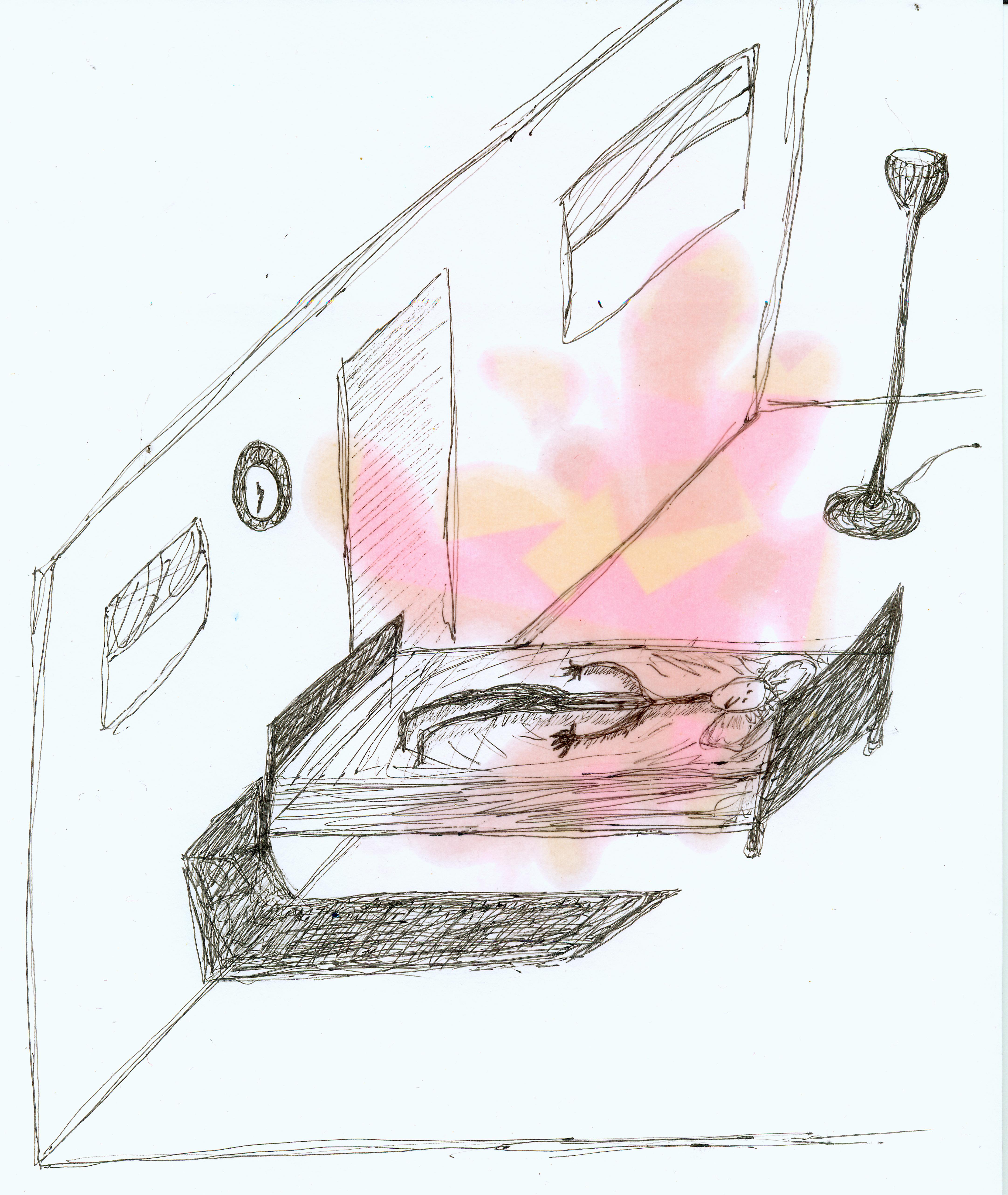
Laying in bed on Shabbat yesterday, I felt the same thing. With technology and to-do lists closed for the day, it was easier to feel this love.

What is the point of it all? For me, maybe, the point is to feel this mental state as much as I can. Some things shut it off, like being stressed or addicted to technology or trying to be clever. Some things turn it on, like lying still or washing dishes for my family.

Happy thanksgiving everyone!

“In the original interviews of near-death experiences, a number of people reported a realization that there was a purpose to life. The purpose of life was not to become an expert, or to become powerful, or to become wealthy, or even to make a huge contribution to our culture. The purpose of life was to grow in wisdom and learn how to love better. And that is a process.” – Rachel Naomi Remen

If I could give you anything, I would give you a kick

i would give you a kick

I had a hard time accepting death. At age 20, I stared in the mirror and saw my wrinkles as evidence of aging, decay, and eventual death. I resolved to become a scientist who would discover a way to reverse aging. I was infuriated that everyone died and thought that with all the biomedical science out there, it should be possible to cure aging. For the next few years, I plunged into the research, but came to the opinion that in my lifetime science would not defeat aging. So back to square one: I would die.

I installed this little timer on my computer to countdown to the day I will be 80, which is about my life expectancy. It’s a daily reminder to do something meaningful with my life.

death clock

Last week I stayed with Bill and Ariel, two friends who are starting up their own farm. Bill’s vision is to use the farm as a vehicle to save and distribute rare seeds. In America, the agricultural system has changed so farmers now buy seeds from big companies and are dependent on them, as opposed to saving their seeds year to year. Many highly nutritious varieties of plants have been lost. Bill wants to do his part to change this. He doesn’t want to be a huge revolutionary, he just wants to do something.

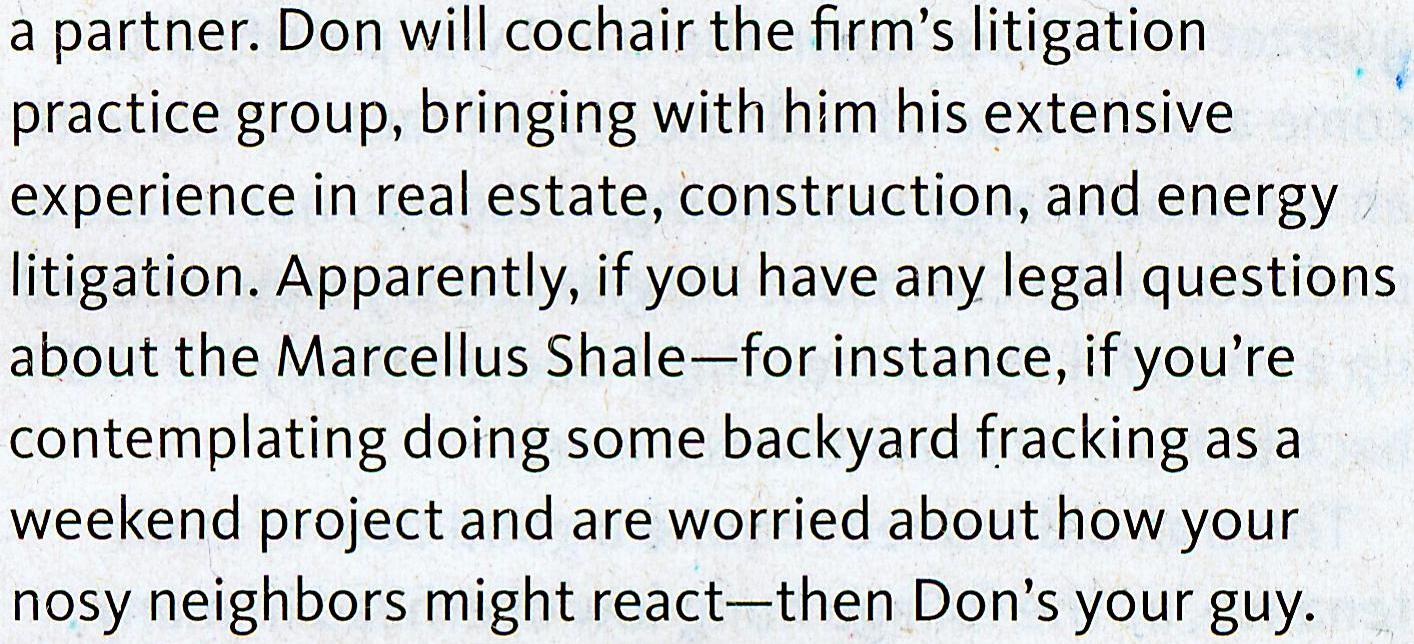
Like Bill, I’m wired for idealism: fighting the good fight, changing the world. It’s sad to me when people have the attitude: “You can’t fight the big powers, so you might as well join them and be on the side that’s winning.” I was reading my college magazine and came across this description of one guy’s career:

Backyard Fracking

How depressing. We need more humanity, we need to realize we’re all in this together.

Though cliche, my coping mechanism for death is to try to make a positive impact on the world. This doesn’t necessarily mean: build a super-awesome world-improving machine that you will be remembered for. It could just mean: hug your loved ones. The Slingshot, a radical day-planner, says the following on its last page: “Ultimately, our relationships with other people are the framework of a new world built on hope, trust and love. This is our strongest revolutionary tool.”

But a lot of the time I get distracted and focused on self-centered mental battles that do exactly zero good for other people. Kim Gordon sings this song for her brother, and she is hella angry:

If I could give you anything / I would give you a kick. 

You’d rather have a dollar / than a hug from your sis.

– Kim Gordon, Cinderella’s Big Score

Here is the full video:

I need Kim Gordon to sit on my shoulder as I go through life, like the good angel in old cartoons. If I act like a dweeb, she’ll give me a kick. I went to a restaurant the other day and got some tea and was all stressed out and in my head. What the hell is wrong with me? I have only 19,000-something days left. I can’t be stressed out. I need to get out of my self-centered mumbo jumbo and give my loved ones a hug.

The song continues:

You really fucked up this time / Your ol’ lady’s really pissed

She’s not just laughing / She’s polishing her fist.

Yeah, I’m going to die, and that means I need to be a good person. Angel on my shoulder, let’s go, let’s go. Death is coming around the corner and life is a game where I decide how to spend these days as the timer runs down. As 19,000 becomes 18,000 becomes 17,000 becomes … 1,000, I want to do good with my days.

—-

P.S. One practical mental health tip I’ve found is taking cold showers. It’s really tough to be all up in your own head during a cold shower. And they take zero effort, you just have to flip the switch from hot to cold. A cold shower is a nice little kick.

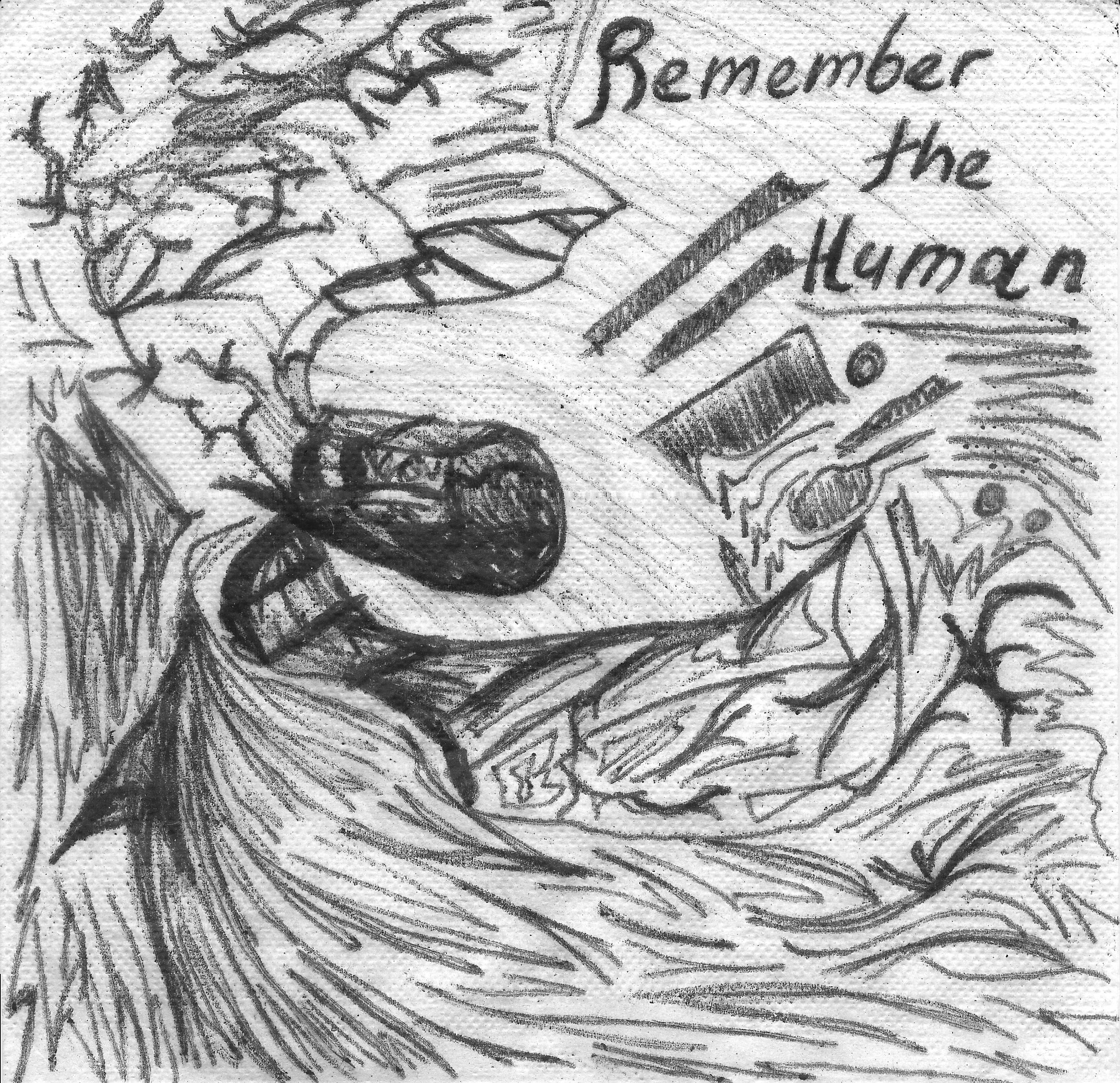
P.P.S. If I had to summarize this long, meandering post, it would be: Act like a freakin’ human being. Don’t get kicked by Kim Gordon. Remember the human.

P.P.P.S. The writer David Sedaris picks up trash on the side of the road in his free time. He finds it satisfying. He’s this big fancy writer, but he spends a lot of time doing simple good things.

remember the human

Markers vs. Cell Phones

eyeMarkers vs. Cell Phones

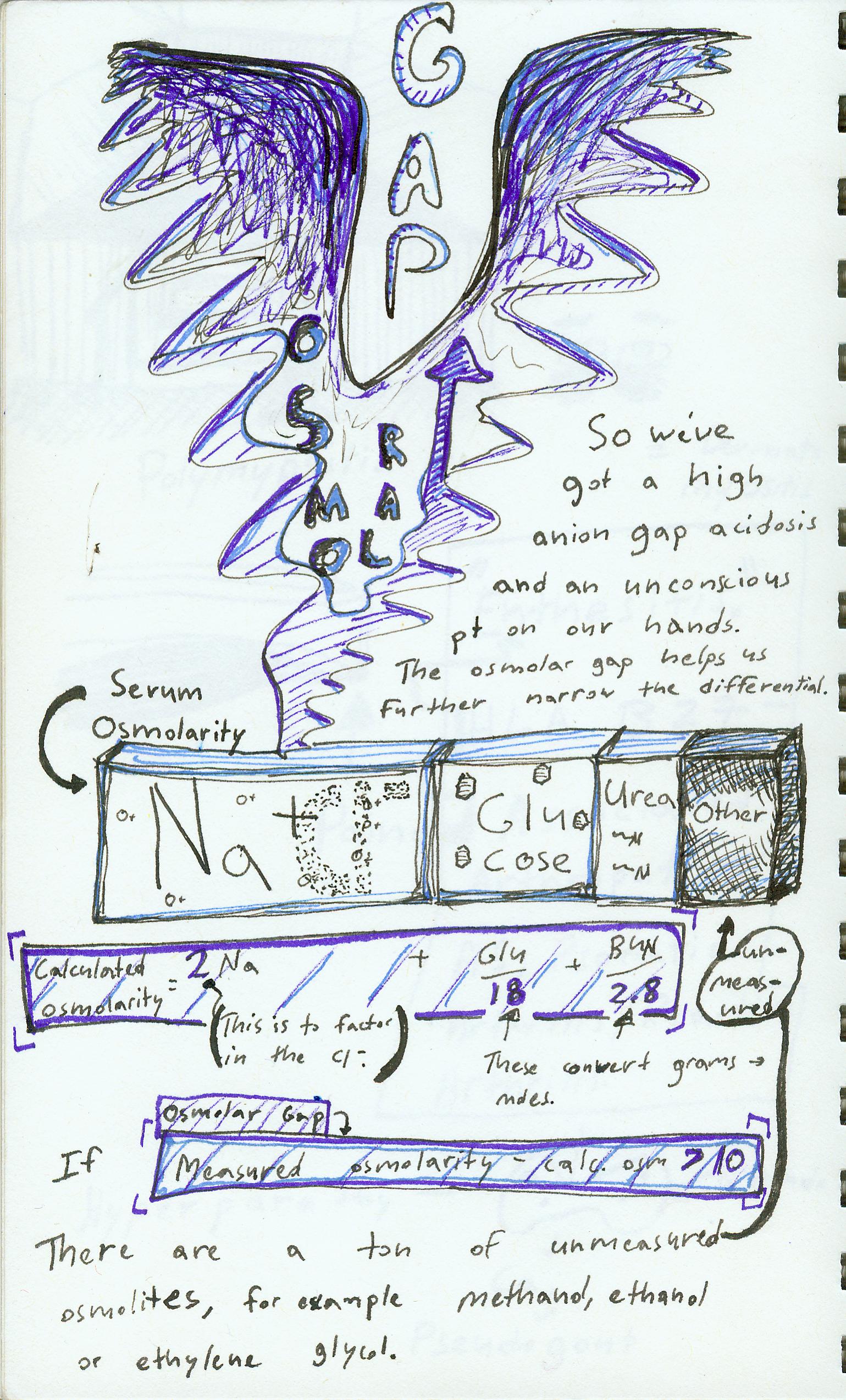
I recently got back from visiting my brother in New York. We developed a evening ritual there: drinking tea and drawing in the evening before bed. The pictures above are from those late night doodle-sessions.

My brother had bought an expensive set of markers, and justified his purchase by asking: “What brings you more enjoyment: these markers or an iPhone?” The answer was clear to me. iPhones are stressful and ADD-inducing. Markers are meditative and relaxing.

Later, I was on a train. It was Shabbat and technically you aren’t supposed to travel, but I was keeping the spirit of the day and not doing any work. Just observing the world of the train. I saw two guys in front of me scrolling through Instagram on their phones. The one guy was being super-productive, scrolling at breakneck speed, liking tons of photos. Scrolling, scrolling, scrolling. And what did he have at the end of it: not much.

The internet, with its ability to change what you are looking at every second, is not designed for getting into something. You can spend your life scrolling without really ever thinking or making. I got bored on the train and practiced twirling my pen. Though seemingly a useless activity, I improved my dexterity, I learned some practical physics. The virtual world is not all its cracked up to be. I vote markers over iPhones any day of the week.